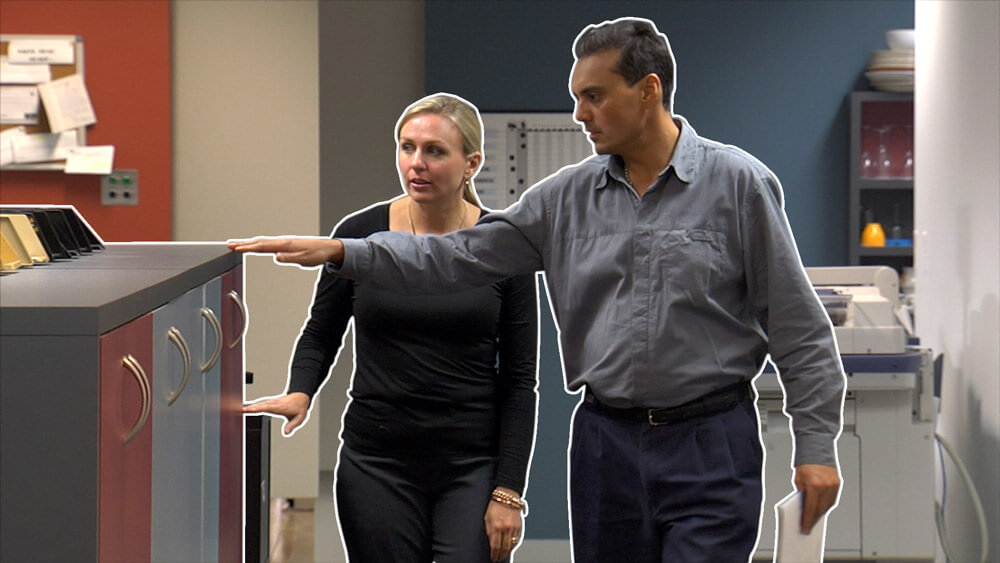
Behaviour Based Safety aims at reducing the incidence of unsafe acts by observing tasks, identifying causes of unsafe behaviour, and implementing programs to motivate workers to perform safe practices when not being observed.

For children, correct lifting and carrying comes naturally. As we get older, we begin to adopt unnatural lifting and carrying techniques. Child’s Play delivers the message that correct lifting and carrying techniques are essential if injury is to be avoided.

Our Cyber Security Awareness Course for Employees covers cyber security basics for beginners. Learn to identify phishing, malware, ransomware and insider threats. Protect your organisation, reduce cyber risks and foster a security-first workplace.

Our Cybersecurity Hygiene Training teaches essential digital security practices, including password management, software updates, safe browsing and data protection. Equip employees with the skills to mitigate cyber threats and safeguard sensitive information.

Knowing how your workplace affects the environment and how you can prevent environmental damage from your work creates a more eco-friendly workplace. Topics in this program include Climate Change, Emissions, Waste management and Pollution.
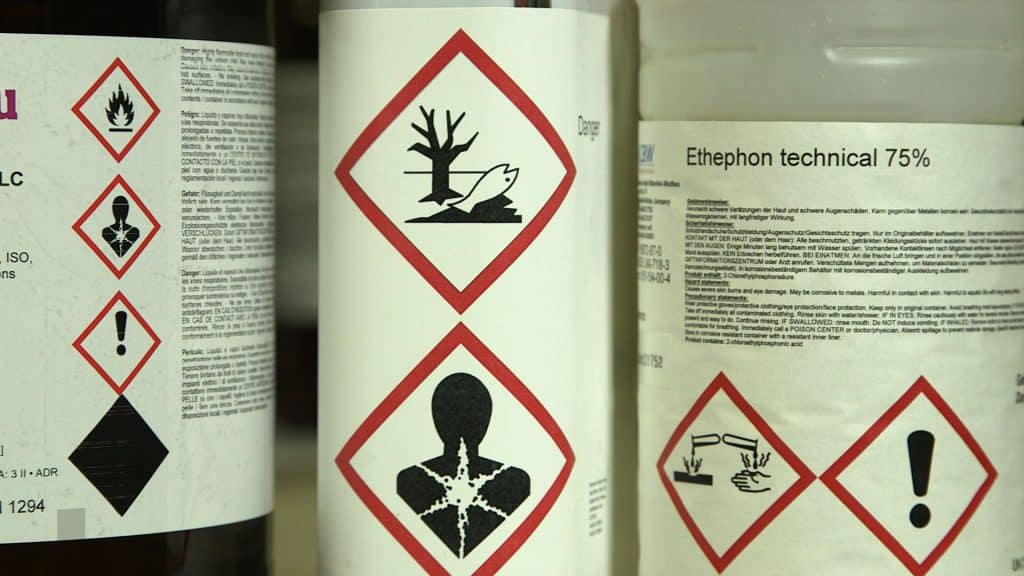
As your workplace makes the transition to the GHS, this program provides an overview of the Globally Harmonised System of Classification and Labelling of Chemicals, including chemicals classification and hazard communication through labels and safety data sheets.
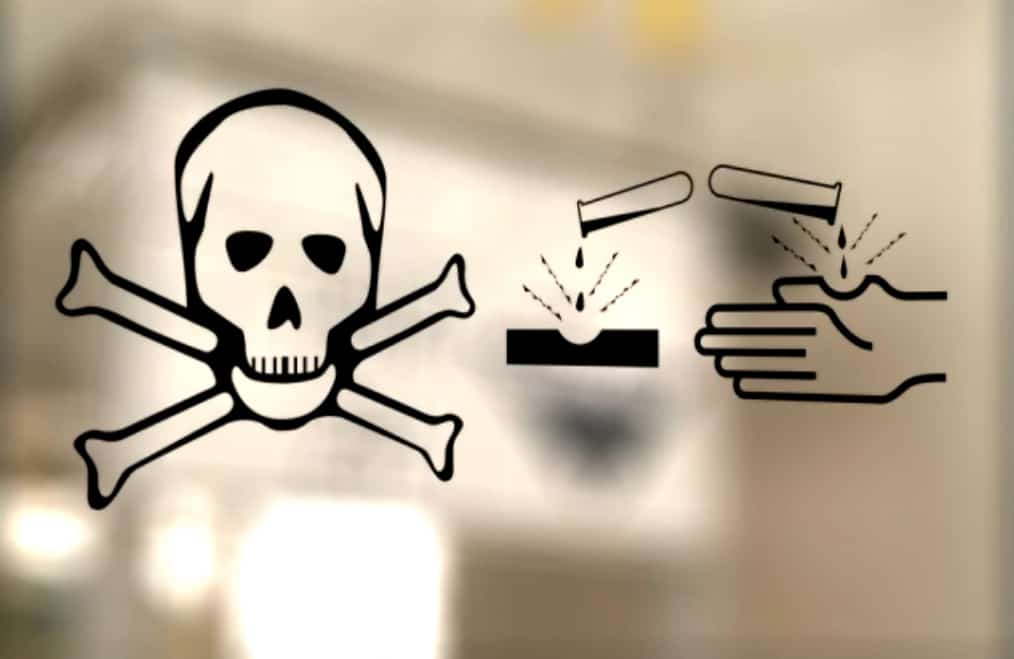
The objective of this program is to highlight the major hazard areas associated with the use of hazardous substances and by so doing, increase awareness of the standards for worker responsibility in observing and being active in daily safety procedures.
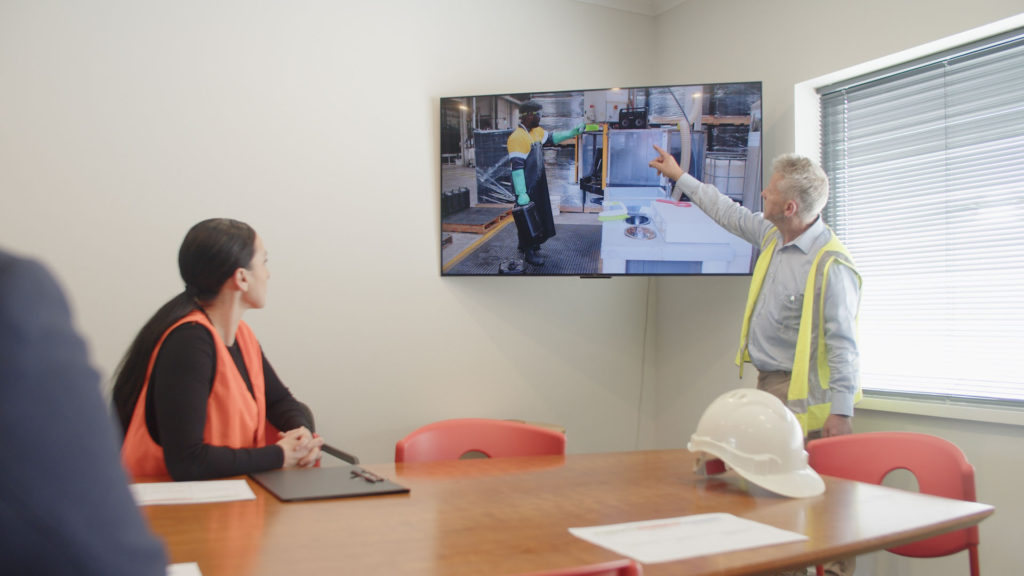
A Job Safety Analysis, or JSA, is a method for examining a particular job so that the hazards and risks can be identified before they occur.
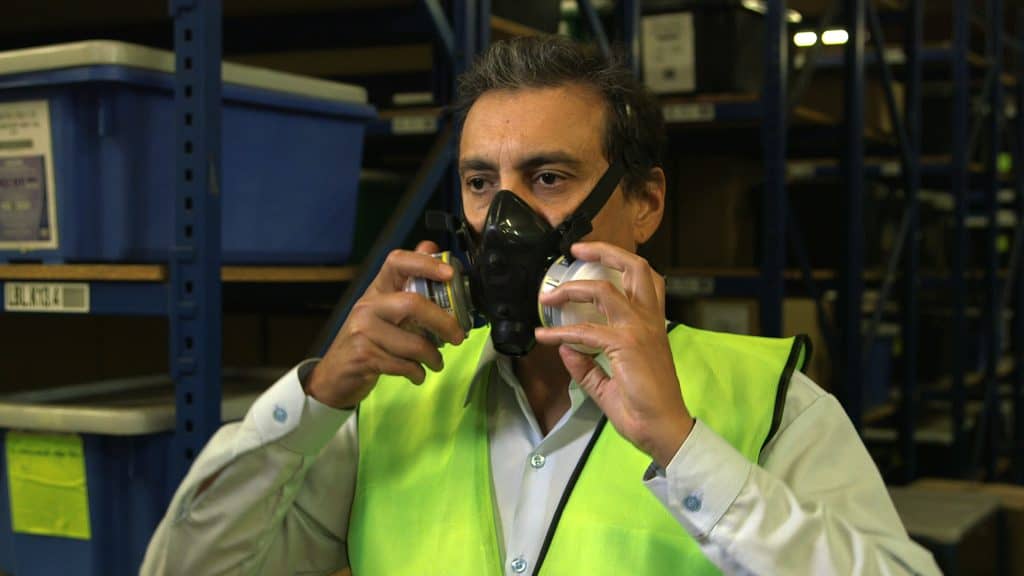
This is a general program suitable for induction or to reinforce the need to wear items of personal protection. This program examines various types of Personal Protective Equipment in detail, including eye, face, head, ears and respiratory protection.
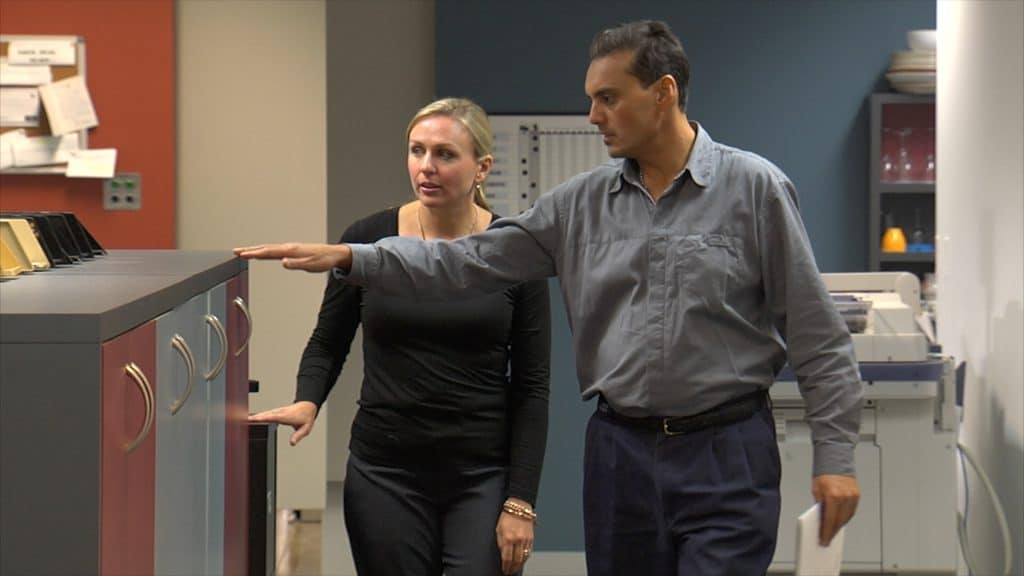
The objectives of this program is to bring about greater awareness of the need to recognize workplace hazards and how hazards can be evaluated for risk. It also looks at methods of hazard control and the role of personal protective equipment.

The Risk Assessment training course looks at Identifying present hazards, possible consequences related to these hazards and who may be harmed. The program goes into detail on risk evaluation and assessment, recording findings and assessment reviews.
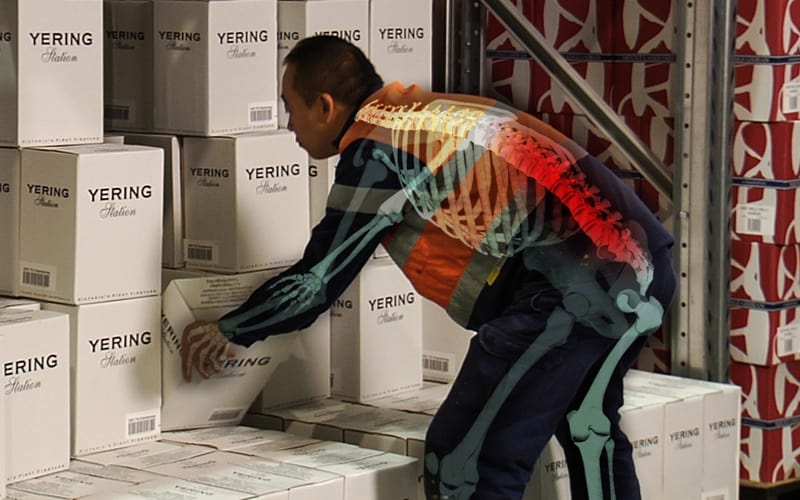
Manual handling is an issue that must be addressed as an ongoing subject in the workplace. This program covers a detailed description of manual handling, problems and how injuries are caused, types of injuries and steps to deal with manual handling.

The objective of this safety committee training course is to highlight the importance of a Workplace safety committee and by so doing, increase awareness of the standards for worker responsibility in observing and being active in daily safety procedures.
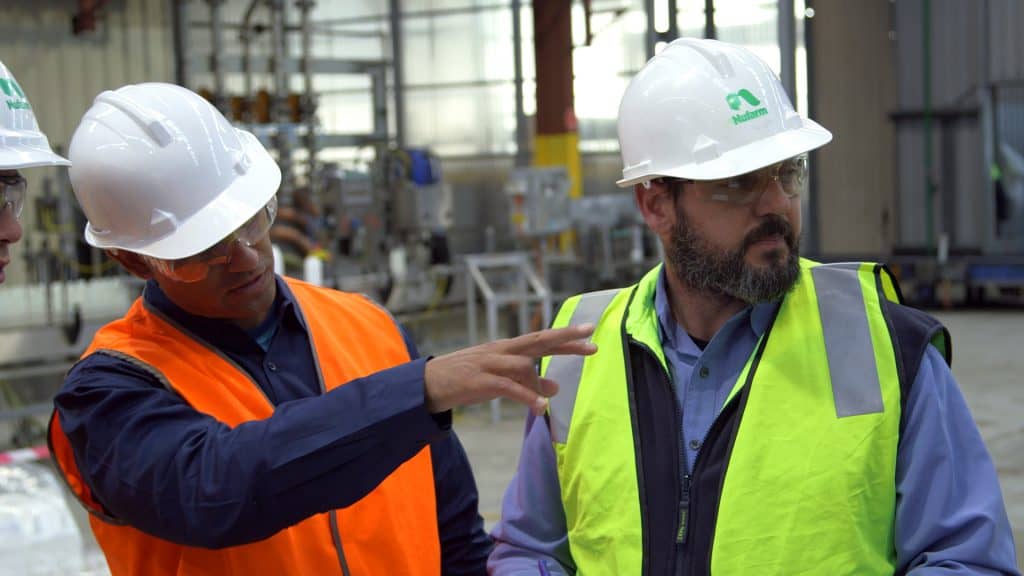
As a fundamental part of a safety program, this training video identifies the safety essentials, why it is important to keep them in mind, the reasons behind them and how a good understanding of them can help in preventing serious workplace accidents.
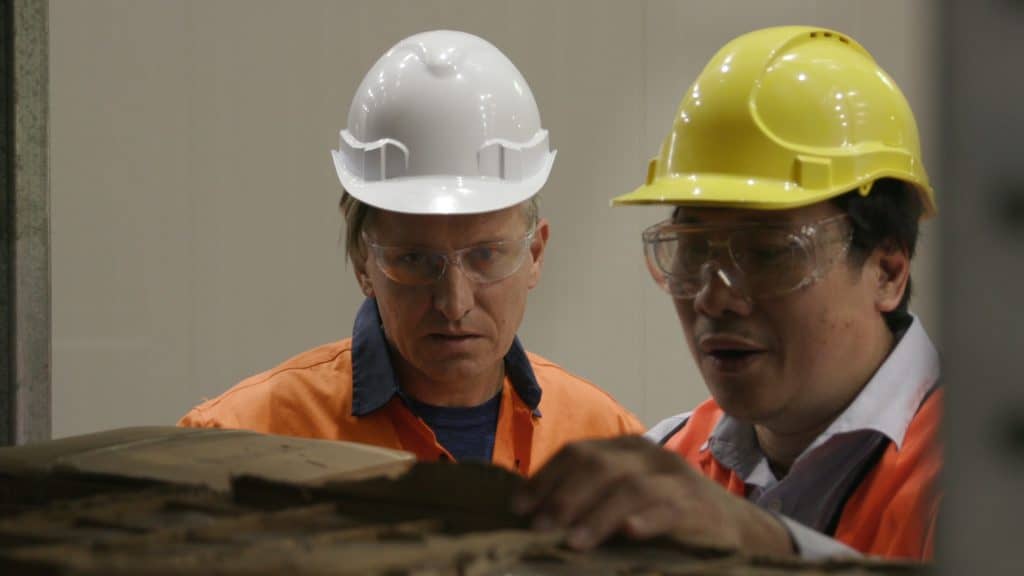
Careful planning combined with adherence to safe work practices and procedures minimises the frequency and severity of accidents and incidents. This program examines the human factors involved in accidents, incidents and mistakes in the workplace.

Learning why and how accidents occur is fundamental to making improvements in working conditions and operational methods. The principles of accident investigation should be regarded as an important component of any workplace health and safety strategy.

This program examines the Code of Hammurabi, the world’s oldest known safety law. It identifies that safe work practices and procedures have been used for thousands of years to prevent workplace accidents. An ideal ‘icebreaker’ for any safety meeting.
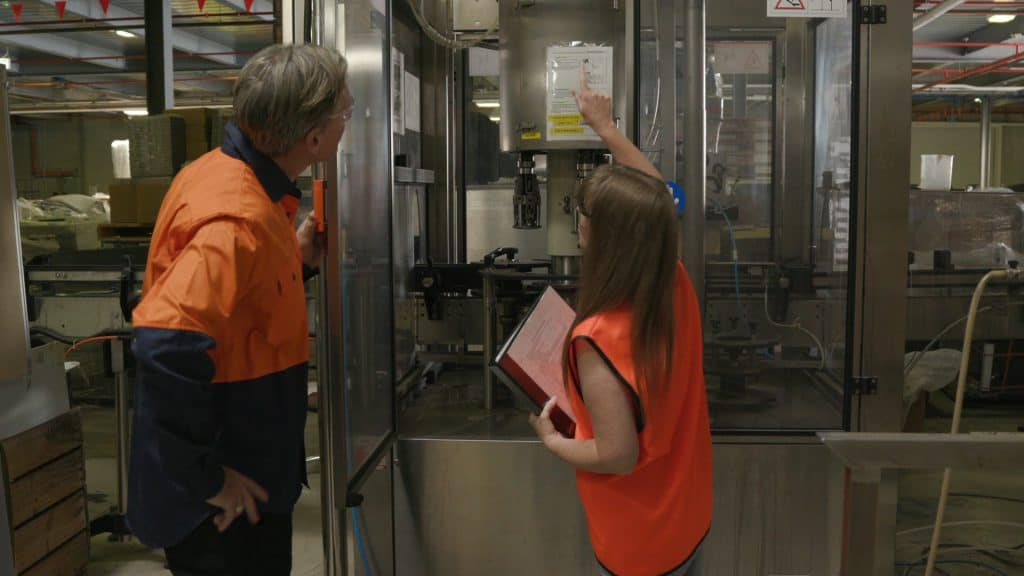
This course looks at understanding hazards and risks in the workplace. The process of hazard identification and evaluation, often referred to as risk assessment is so important that it is vital that everyone fully understands the meaning of the words.
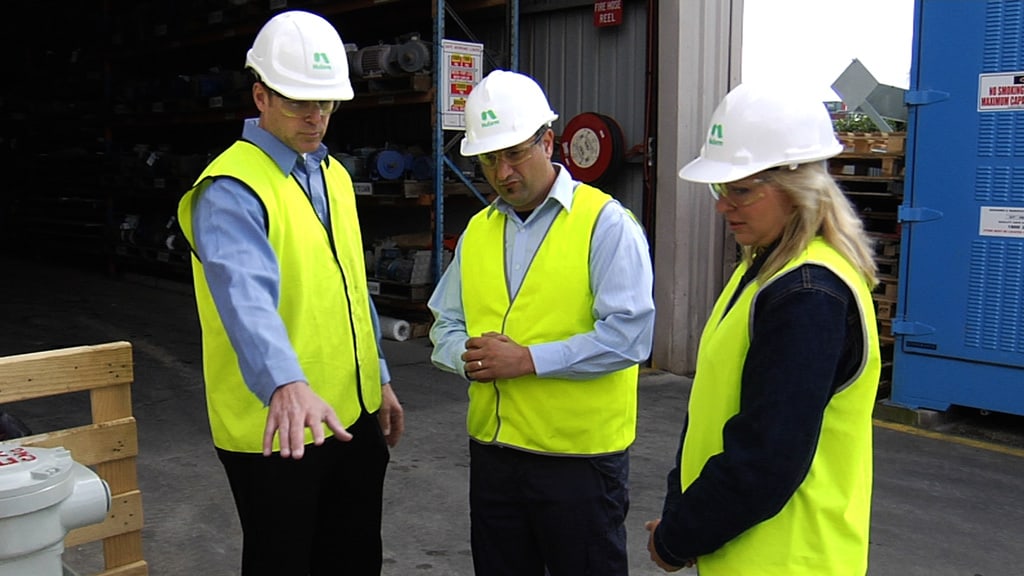
Understanding Safety Awareness is a program that has been designed for all personnel. It can be used as a general safety training program and can also be utilised as an induction program for new personnel to introduce safety concepts.

Unsafe acts occur in every workplace, and they occur, the more likely accidents and health problems will result. This program examines the reasons for the occurrence of unsafe acts and methods that can be used to reduce their frequency.
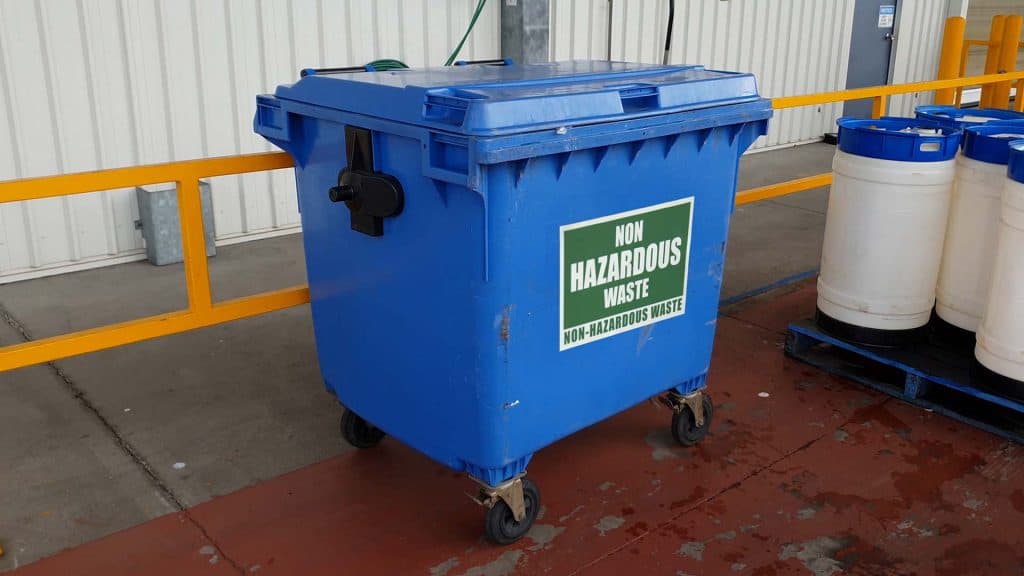
This General Waste Management Safety Program examines methods for classifying various kinds of waste and how best to track and ultimately dispose of them. Topics in the program include waste classification, waste disposal and waste manifests.

This program examines hows stress can affect members of an organisation as well methods for combating it. Awareness of potential risks and moving proactively to prevent stress taking hold, will help minimise the chances of stress-related illness.