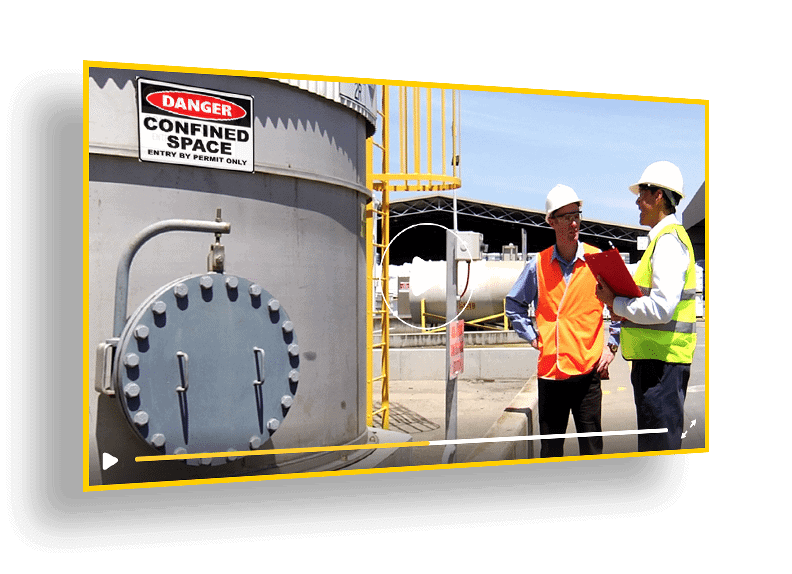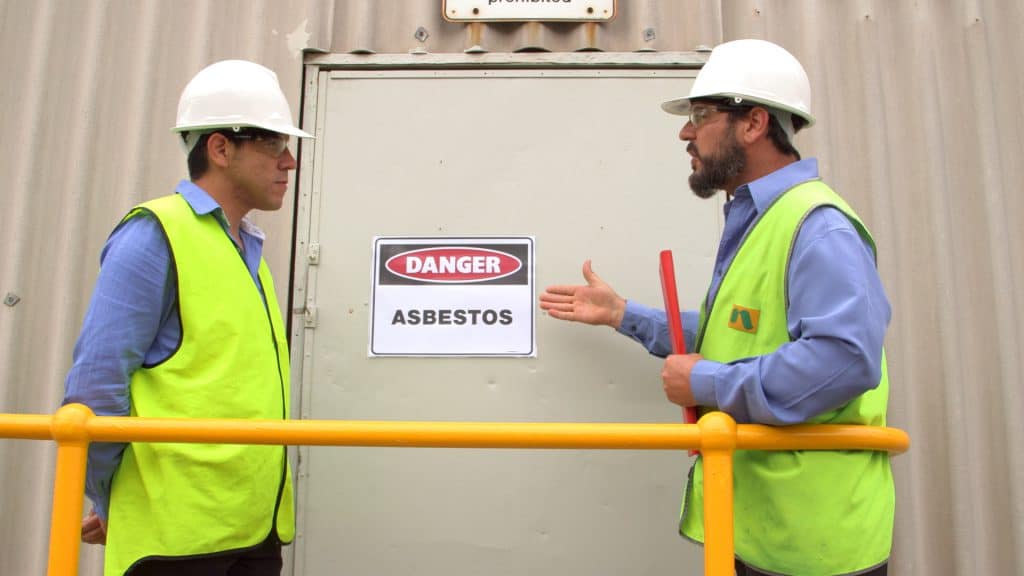
Asbestos fibres pose a threat to humans – when the fibres are inhaled, they can cause serious damage to the lungs. The Asbestos Awareness program has been produced to be shown to all personnel who may potentially come across asbestos in the workplace.
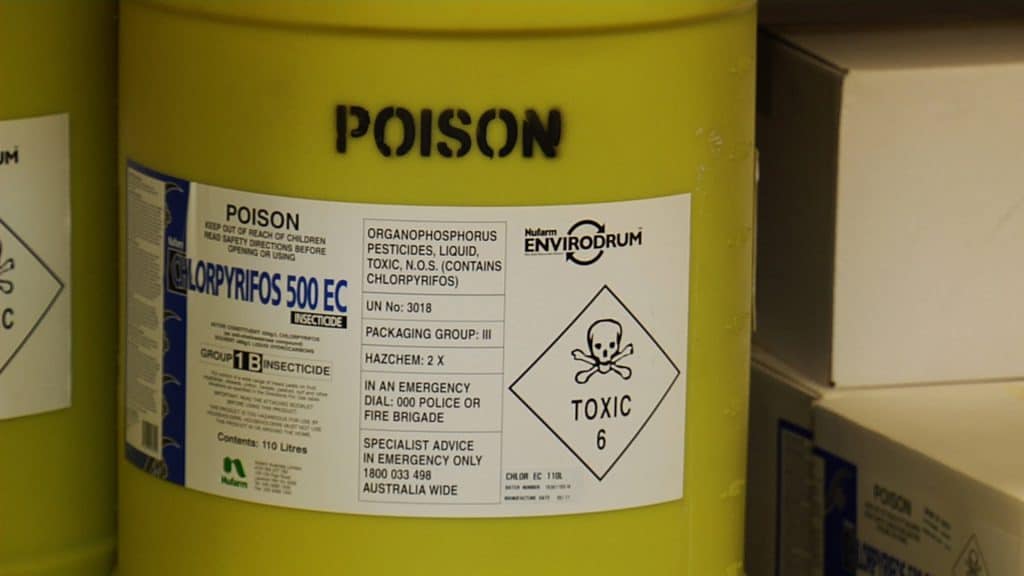
The safe handling and storage of all chemicals requires a commitment by everyone to follow safe work procedures. The realisation of the risks and an ongoing program to minimise the hazards will reduce accidents and make your workplace a safer workplace.
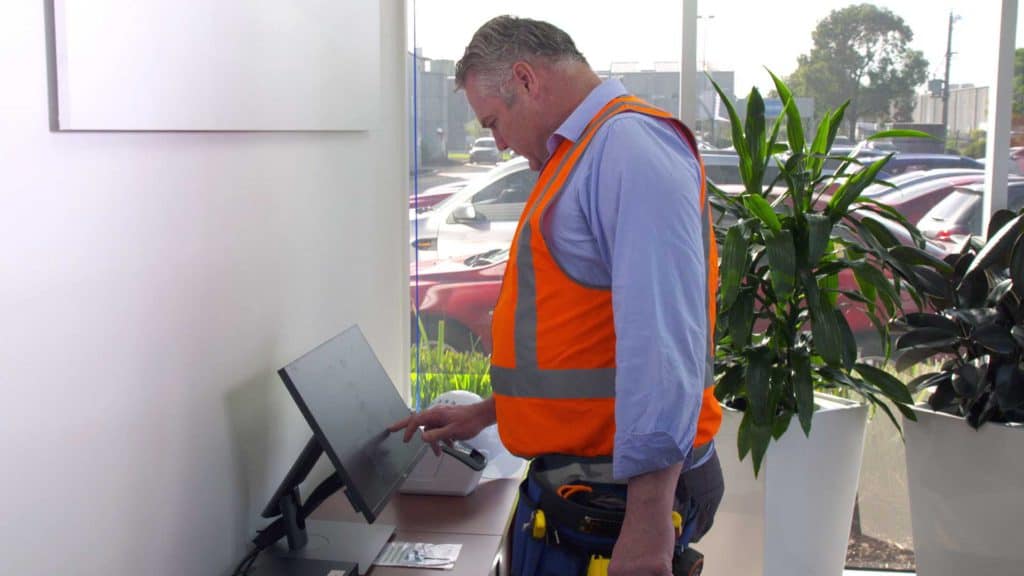
Our Contractor Management Online Video Course teaches essential contractor safety management, including risk assessment, safety inductions, task creep management and compliance. Ideal for safety managers, supervisors and project leads committed to a safer workplace.
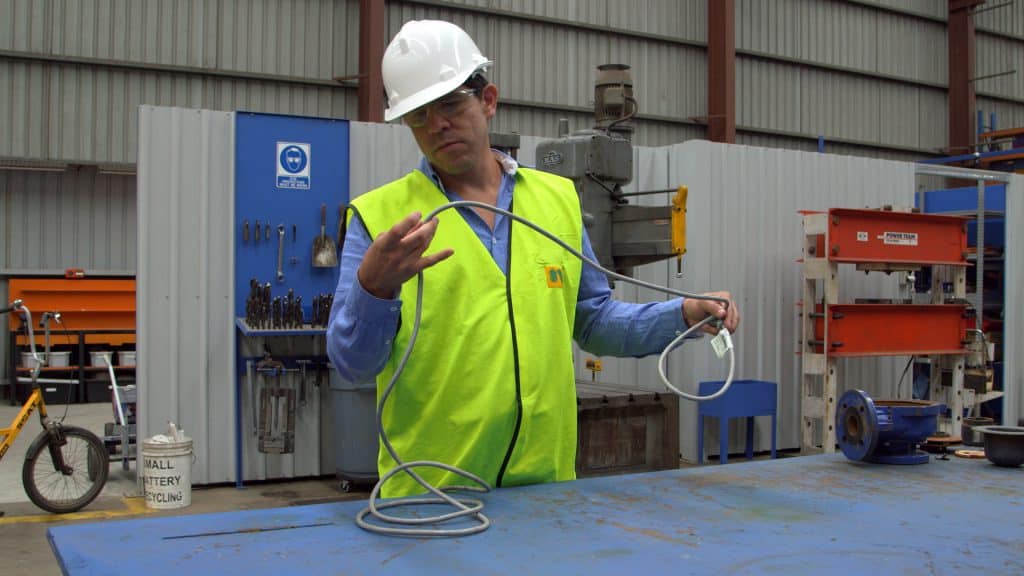
Most workplaces are surrounded electrical circuits, cables, conduits and extension cords for plant, equipment appliances and lights. This program teaches the effects of current on the human body, common hazards and electrical hazards control.
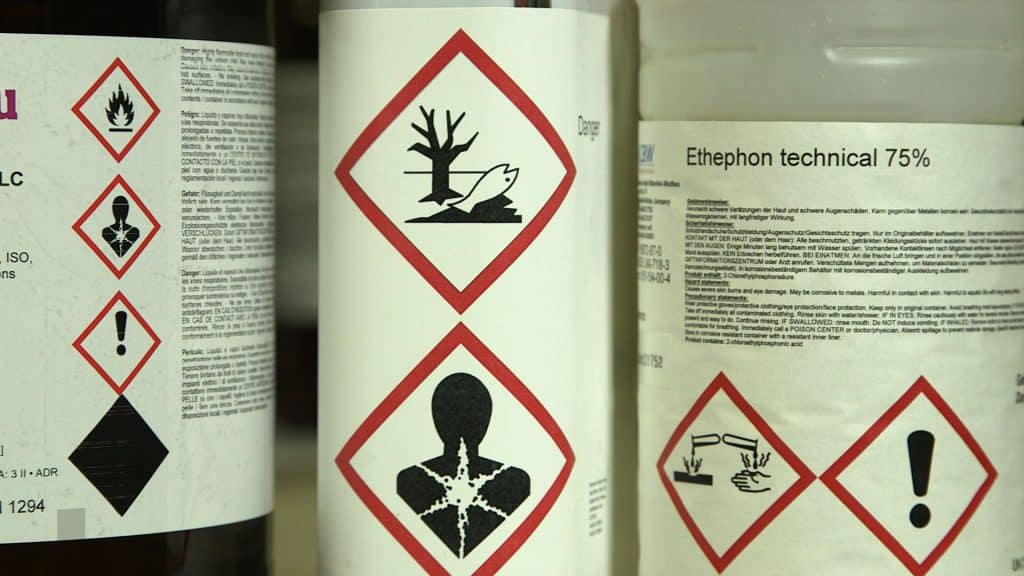
As your workplace makes the transition to the GHS, this program provides an overview of the Globally Harmonised System of Classification and Labelling of Chemicals, including chemicals classification and hazard communication through labels and safety data sheets.
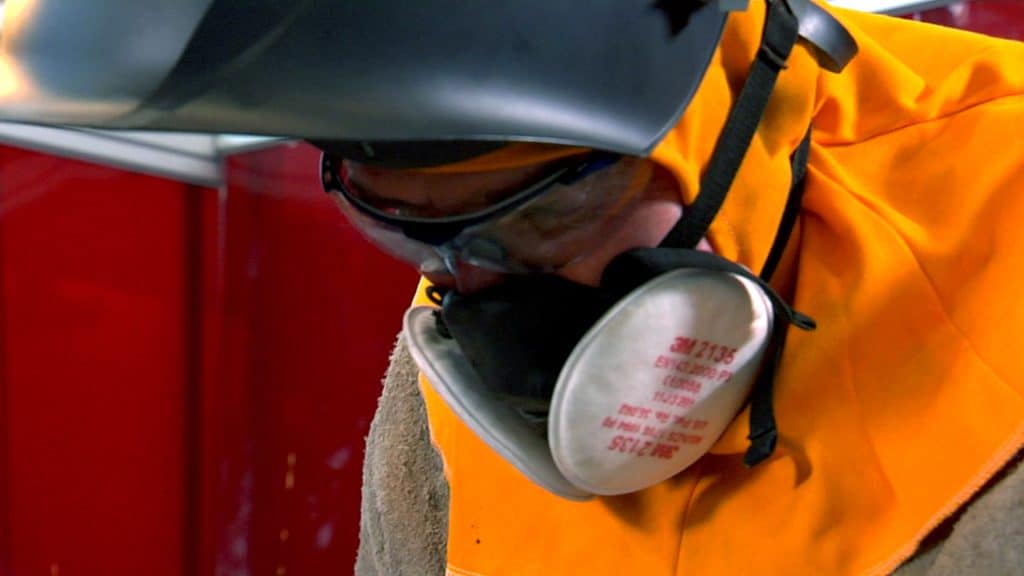
The programs covers what constitutes a hazardous atmosphere, information about air-purifying and details of the different types of air-purifying respirators. The program also looks at filters, fit testing of respirators, maintenance, storage, inspection and danger signals.
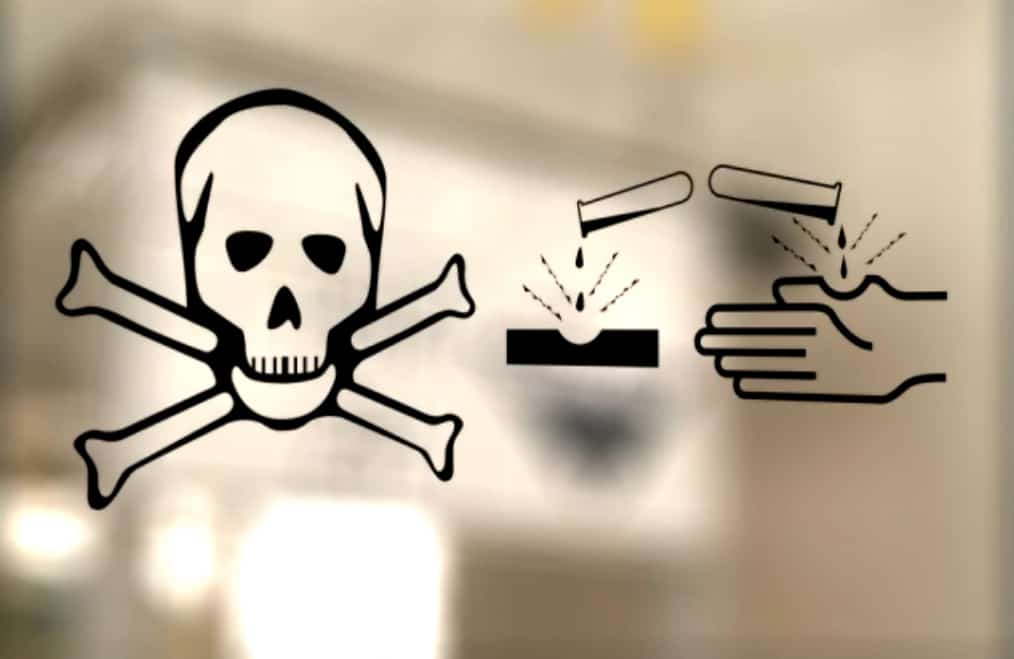
The objective of this program is to highlight the major hazard areas associated with the use of hazardous substances and by so doing, increase awareness of the standards for worker responsibility in observing and being active in daily safety procedures.
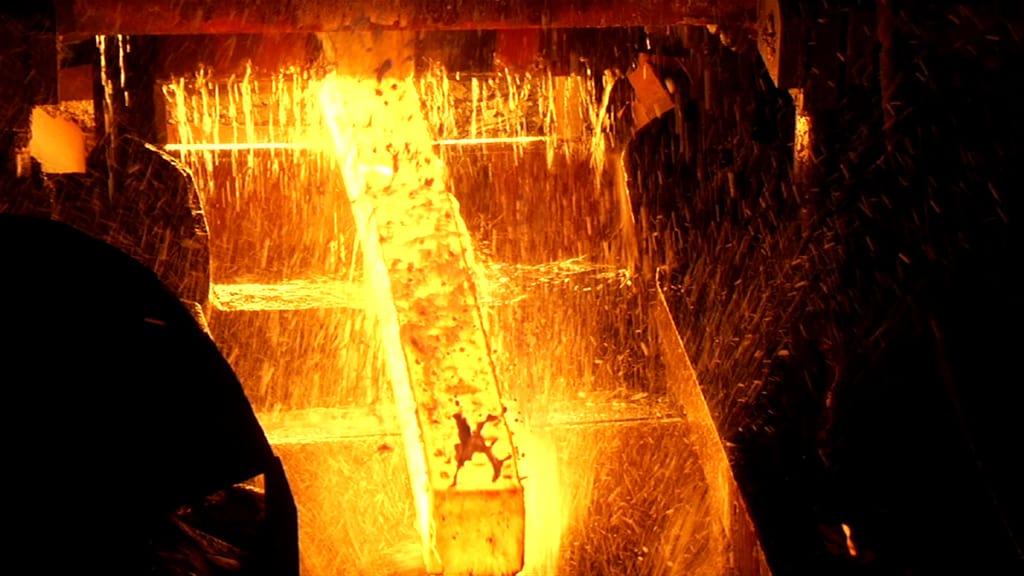
This program increases awareness of heat hazards in the workplace by identifying specific heat related hazards and examining a range of engineering and administrative controls and individual behaviors that reduce the risk of heat related illnesses and injuries.
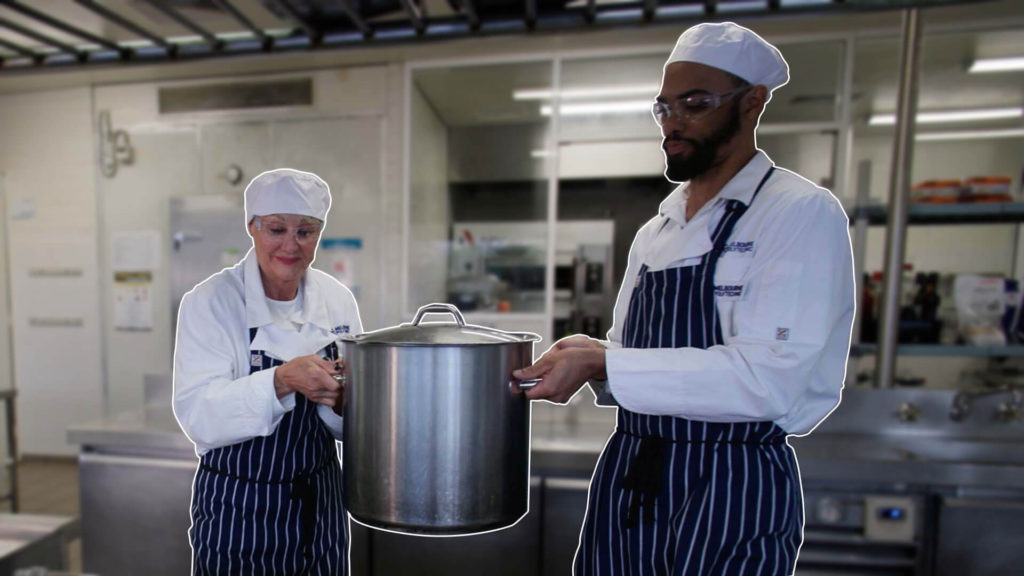
Safety risks in commercial kitchens can be minimised when proper attention is paid to workplace health and safety. The likelihood of accidents and injuries in a kitchen can be greatly reduced by implementing safe work practices and procedures, including hazards training, food handling, hygiene, control measures and working safely with heat.

The shutdown of plant and equipment before work is carried out is referred to as a lockout or a lockout/tagout. This program covers the following of lockout procedures, increasing awareness of worker responsibility of standards and procedures.
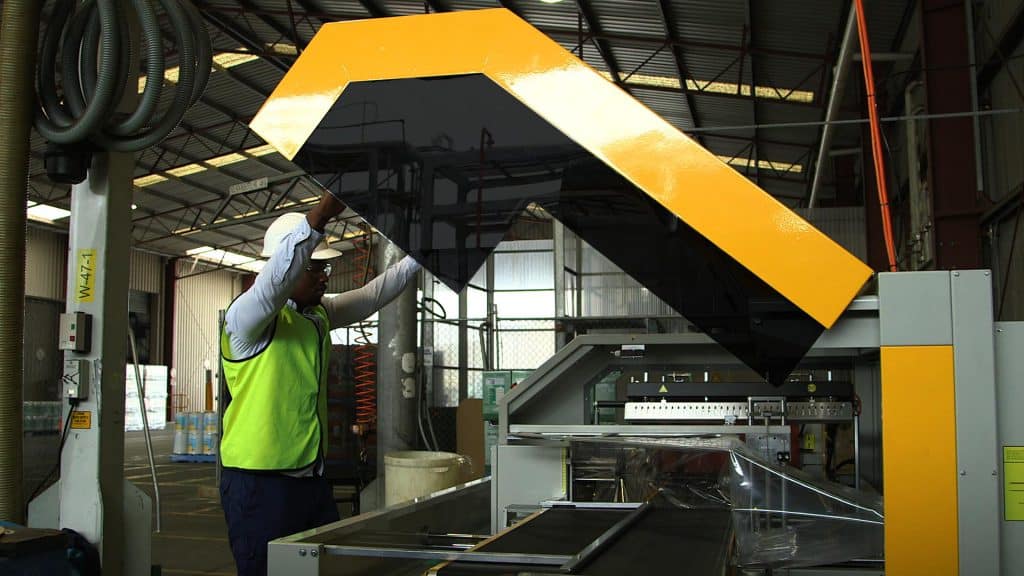
Accidents resulting from inadequate equipment and machine guarding cause some of the most traumatic injuries in the workplace. This program covers why guards are used, hazard risks, machine guarding types and requirements and safe work practices.
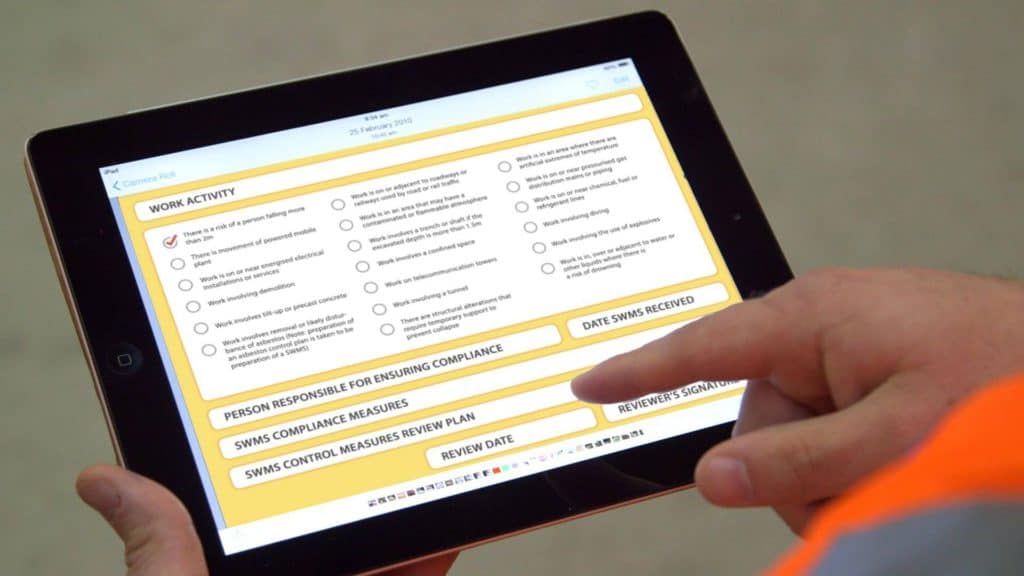
This SWMS training video covers the essentials of Safe Work Method Statements, including legal requirements, creating effective SWMS and managing risks in high-risk construction work (HRCW) to help ensure compliance and improve workplace safety.
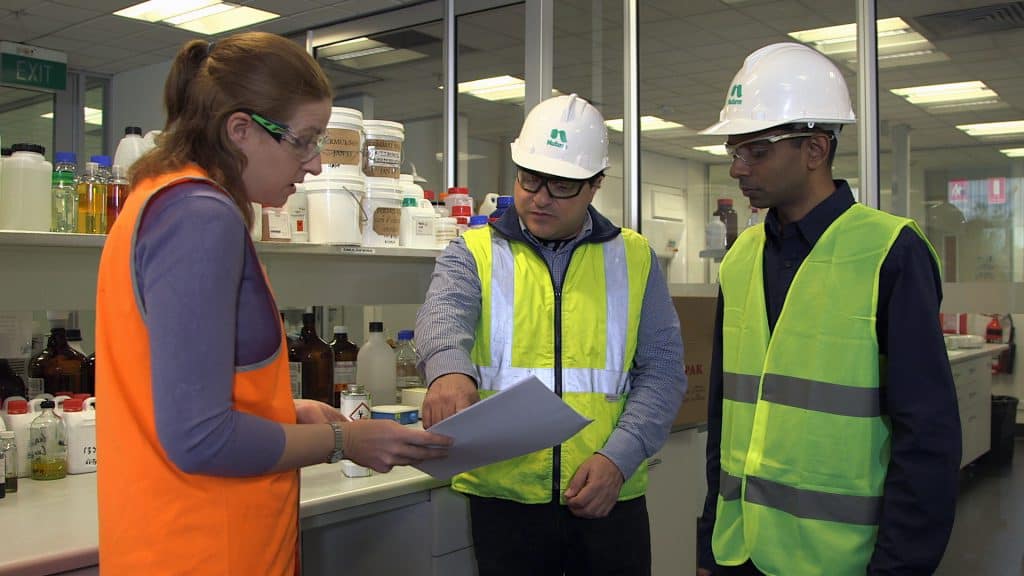
This program helps trainees to properly interpret Safety Data Sheets for the use of hazardous substances. This program covers the layout of SDS, Why SDSs are used and a breakdown on the most important safety related sections found in most SDSs.
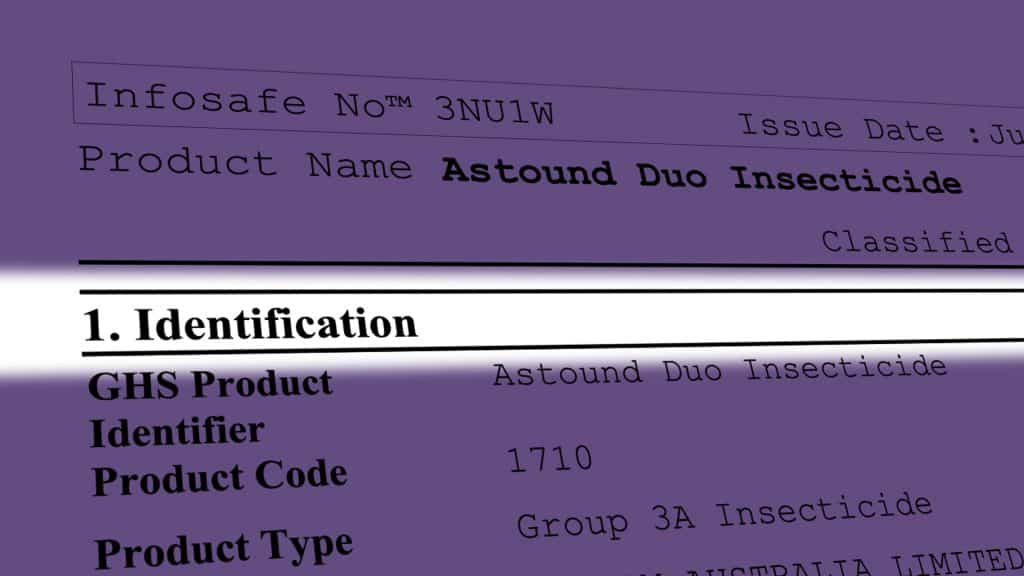
Safety Data Sheets can be very challenging to read and understand but they do contain a wealth of information. Having an ability to properly interpret them will make it easier to arrive at informed decisions regarding the use of hazardous substances.
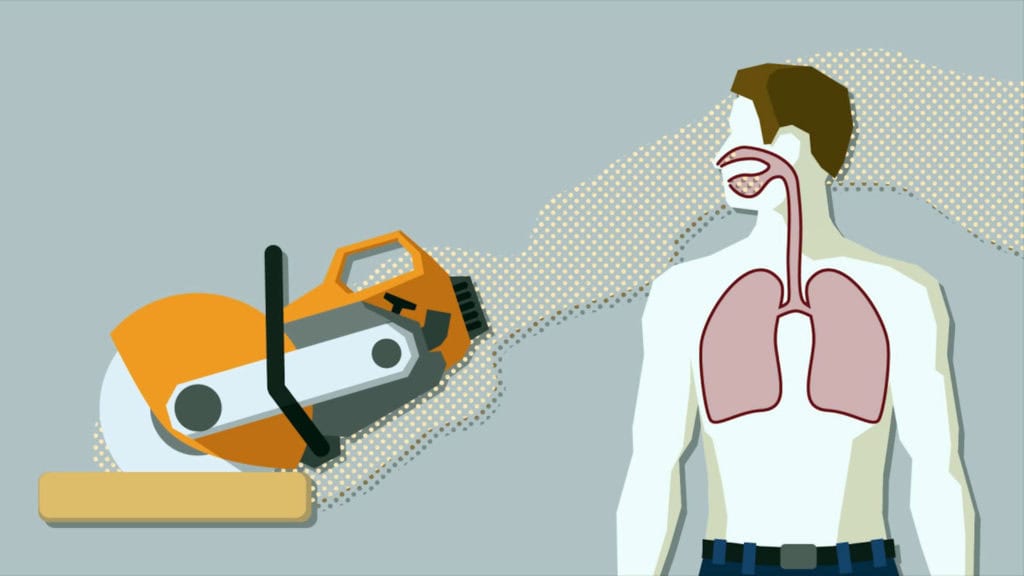
Silica dust is a serious workplace hazard that can cause lung disease, cancer and other health complications. Our Silica Awareness Training educates workers on the dangers of silica exposure and provides essential strategies to minimise risks. Through engaging video content, employees will learn about effective control measures, proper use of PPE and best practices for maintaining a safe work environment.

Safe driving is a must under any circumstance, given the potential serious consequences of vehicle accidents.
Winter conditions present additional challenges that must be properly understood and prepared for whenever driving takes place.
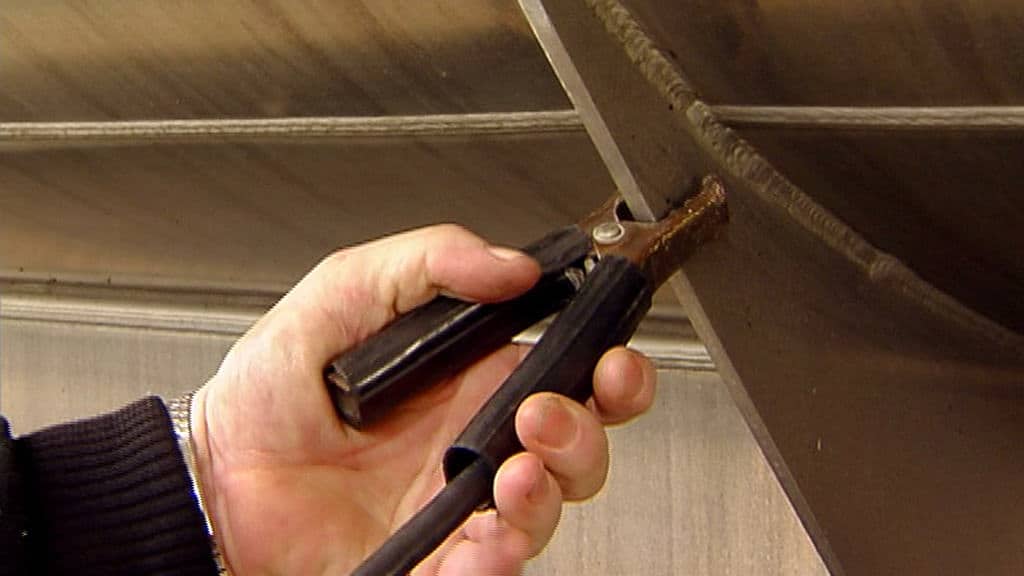
The program provides a practical understanding of static electricity and examines potential hazards and ways to control static electricity. The safety video covers important safety precautions that should be followed when working in flammable atmospheres.
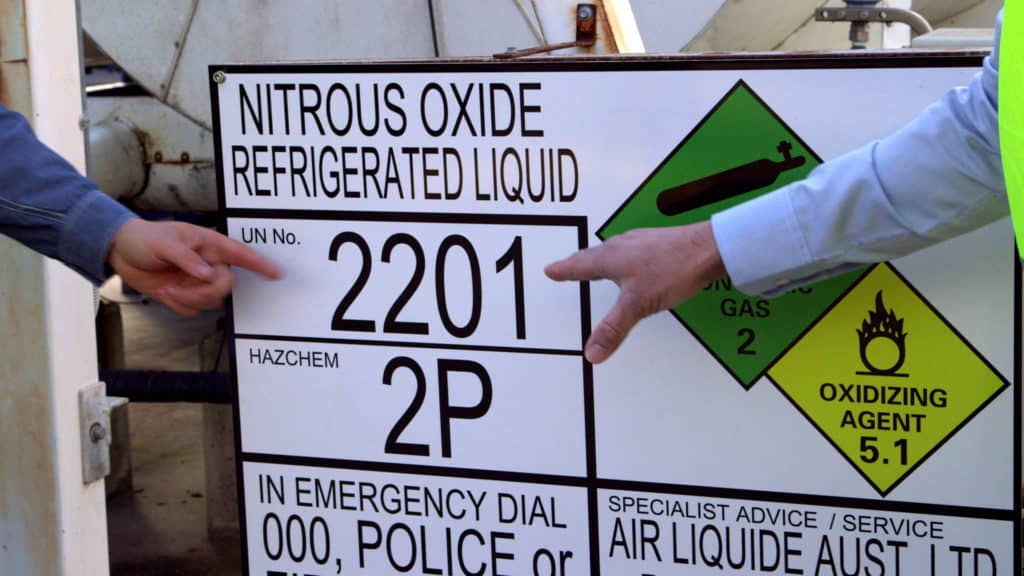
As your workplace makes the transition to the GHS, this program provides an overview of the Globally Harmonised System of Classification and Labelling of Chemicals, including chemicals classification and hazard communication through labels and safety data sheets.
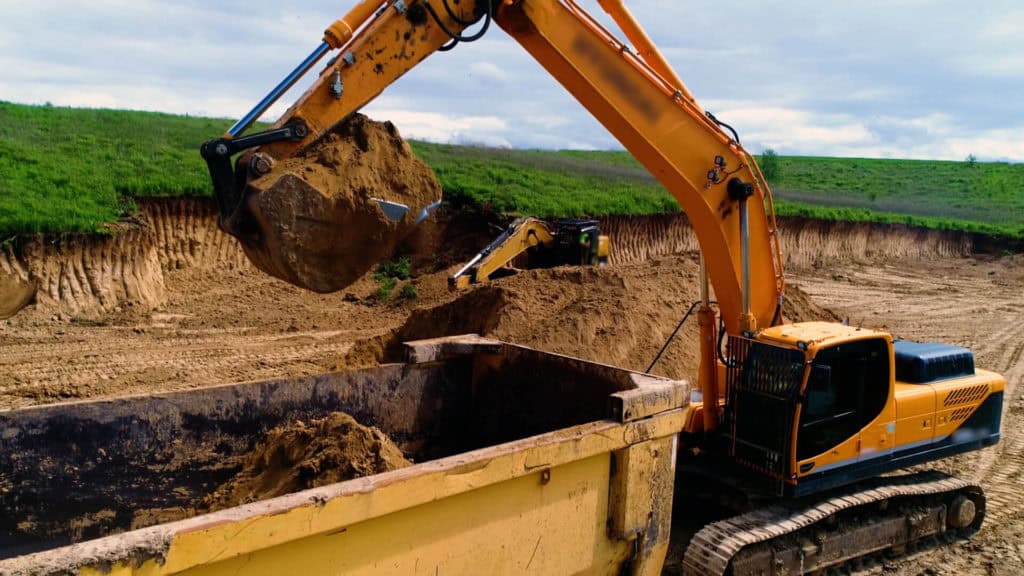
Trenching and excavation work presents serious hazards, including cave-ins, falling loads and hazardous atmospheres. Our Trenching and Excavation Training Online provides essential knowledge on hazard identification, protective systems and best practices to ensure worker safety. Through engaging video content and expert guidance, employees will learn about soil classification, shoring and shielding techniques, safe access requirements and emergency procedures.
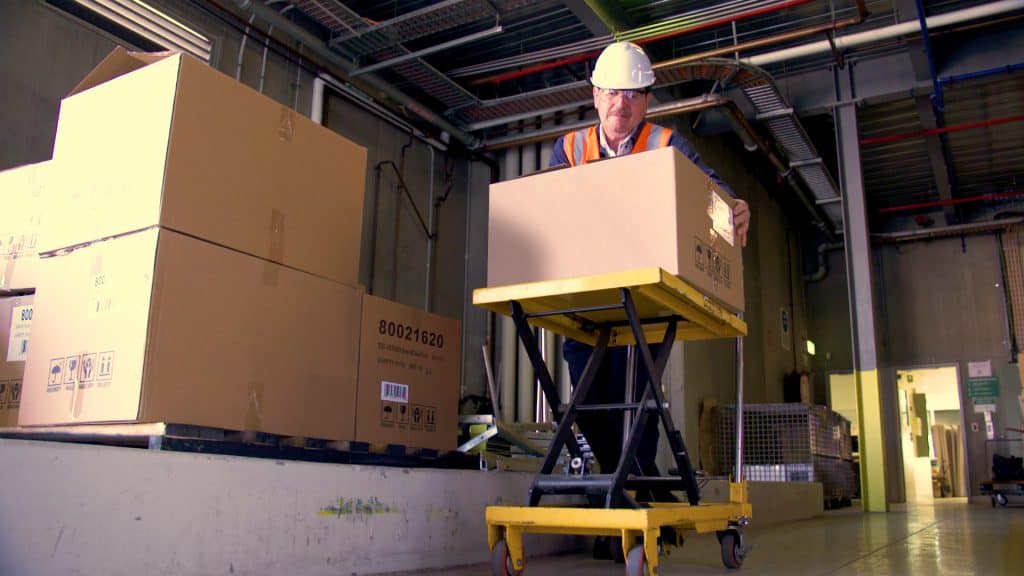
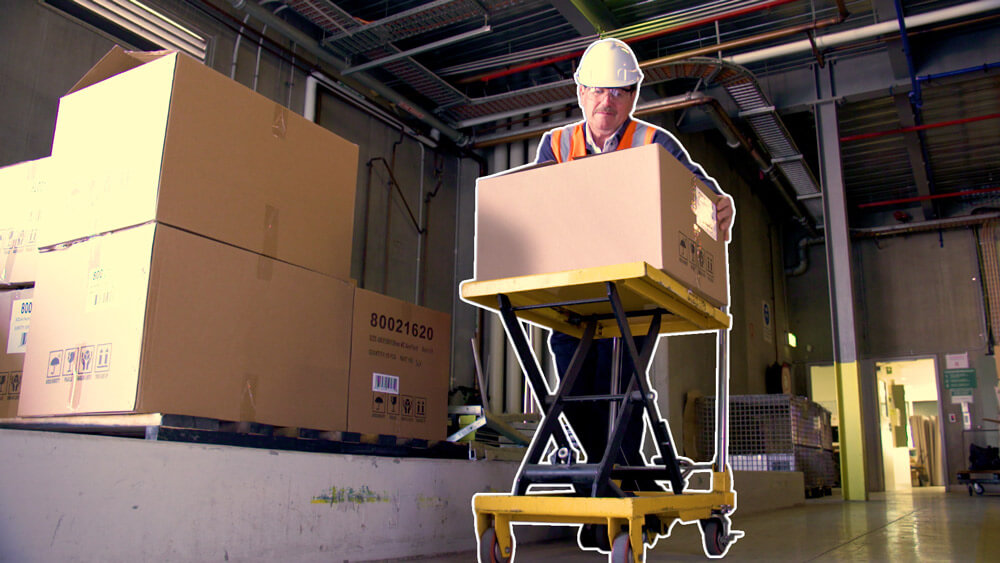
Adherence to thoroughly considered policy and procedures, can play a large part in preventing accidents and injuries in a warehouse. This Warehouse Safety program examines the various hazards that exist in a warehouse and how best to avoid them.
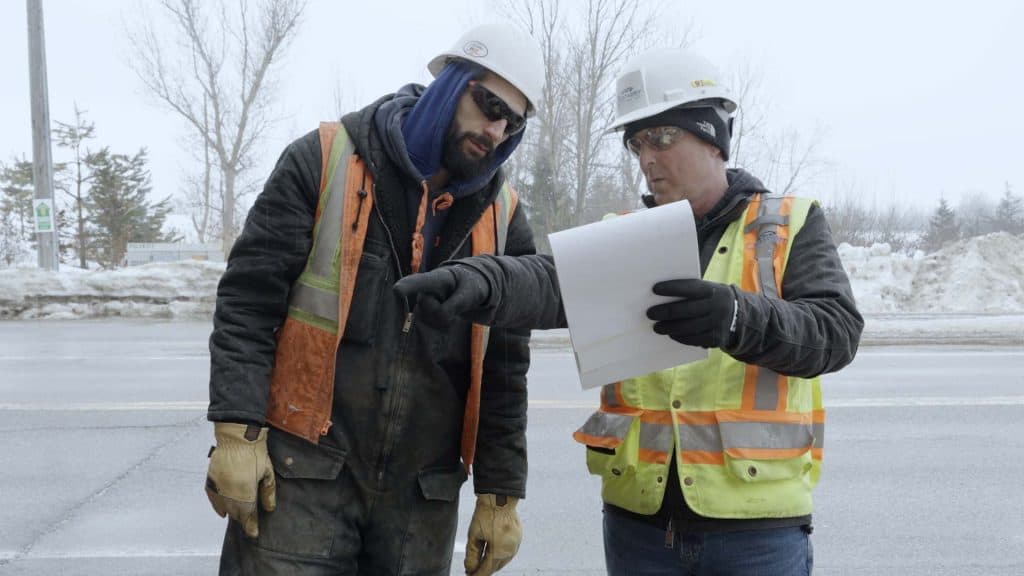
Working in environments of extreme temperature present unique safety issues that have an impact not only on the way a job is done, but also the hazards the individual completing the job is exposed to.