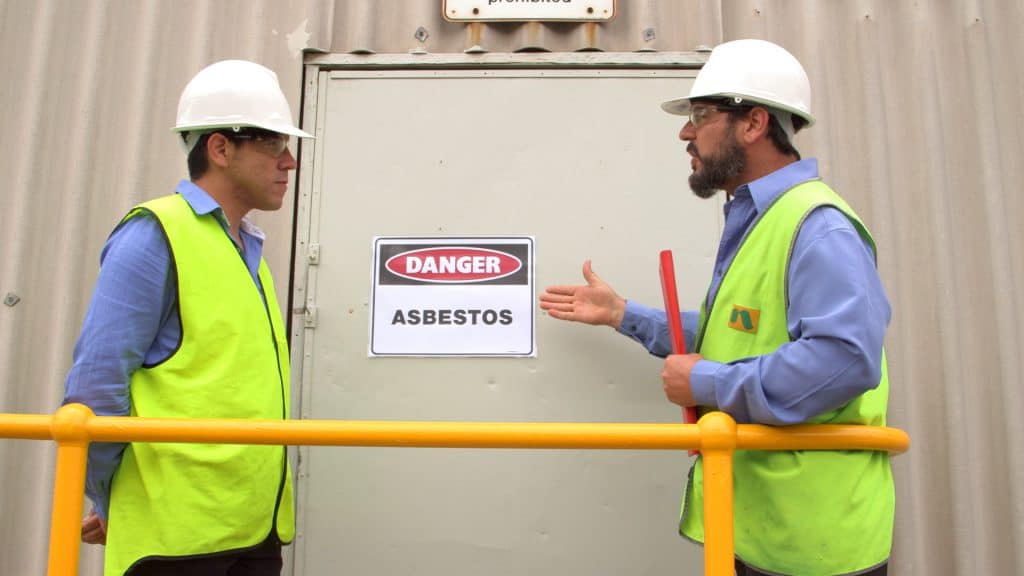
Asbestos fibres pose a threat to humans – when the fibres are inhaled, they can cause serious damage to the lungs. The Asbestos Awareness program has been produced to be shown to all personnel who may potentially come across asbestos in the workplace.
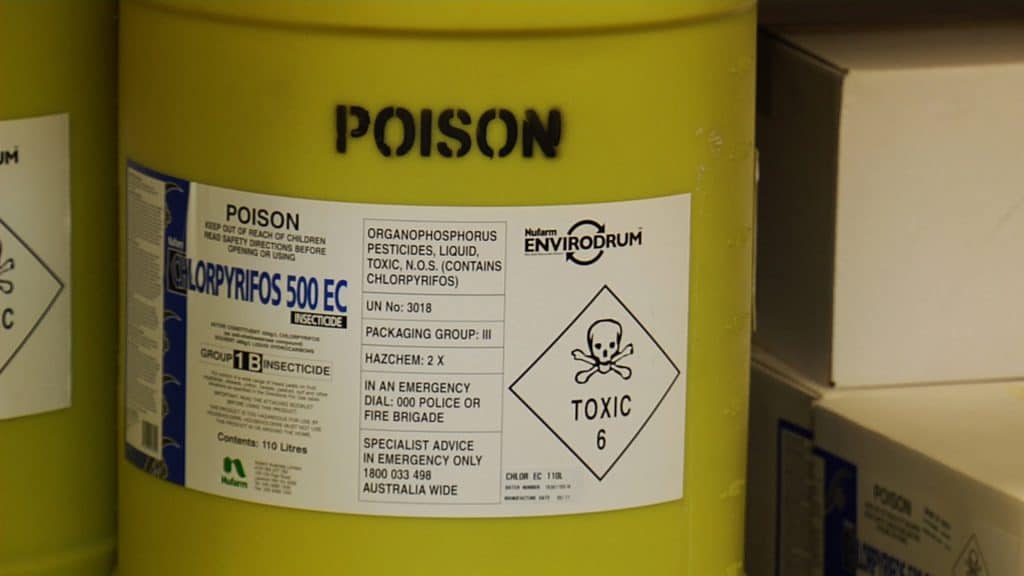
The safe handling and storage of all chemicals requires a commitment by everyone to follow safe work procedures. The realisation of the risks and an ongoing program to minimise the hazards will reduce accidents and make your workplace a safer workplace.

Knowing how your workplace affects the environment and how you can prevent environmental damage from your work creates a more eco-friendly workplace. Topics in this program include Climate Change, Emissions, Waste management and Pollution.

Following Safe Work Practices lessens the chance of fires and explosions occurring. This program examines scientific facts about how fire and flammable vapors behave as well as procedures that can be implemented to prevent the occurrence of fires.

This safety training program covers the hazards associated with gas bottles and cylinders. Knowledge of the use of Safety Data Sheets, safe work procedures, storage and handling will ensure the safety of all concerned with compressed gas cylinders.
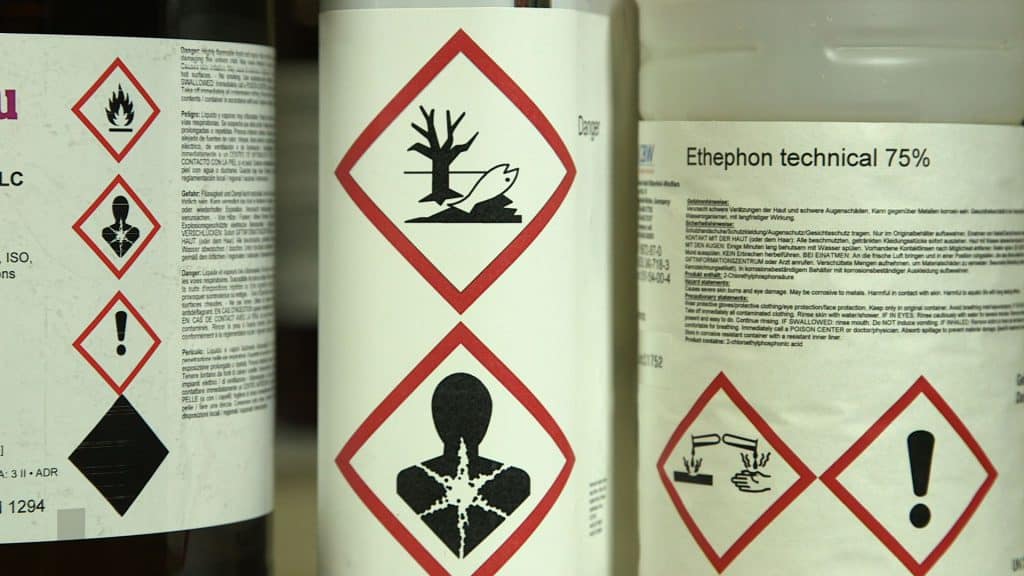
As your workplace makes the transition to the GHS, this program provides an overview of the Globally Harmonised System of Classification and Labelling of Chemicals, including chemicals classification and hazard communication through labels and safety data sheets.
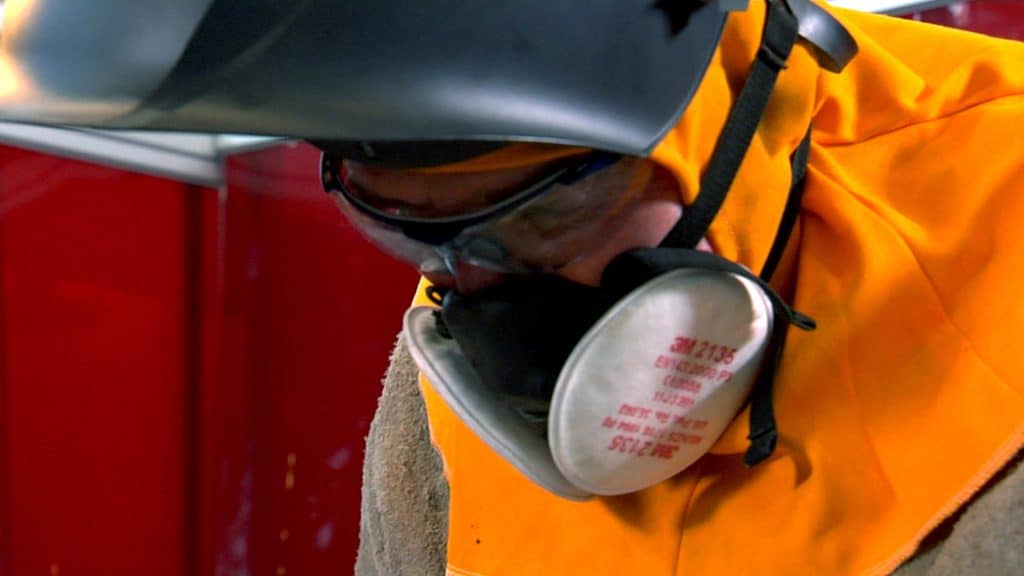
The programs covers what constitutes a hazardous atmosphere, information about air-purifying and details of the different types of air-purifying respirators. The program also looks at filters, fit testing of respirators, maintenance, storage, inspection and danger signals.
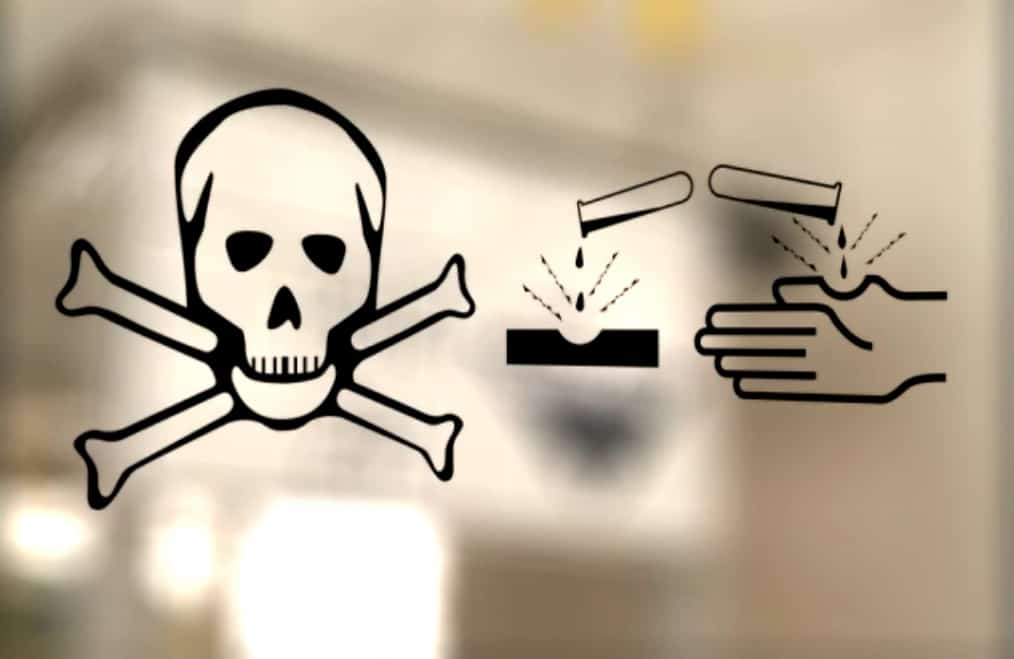
The objective of this program is to highlight the major hazard areas associated with the use of hazardous substances and by so doing, increase awareness of the standards for worker responsibility in observing and being active in daily safety procedures.
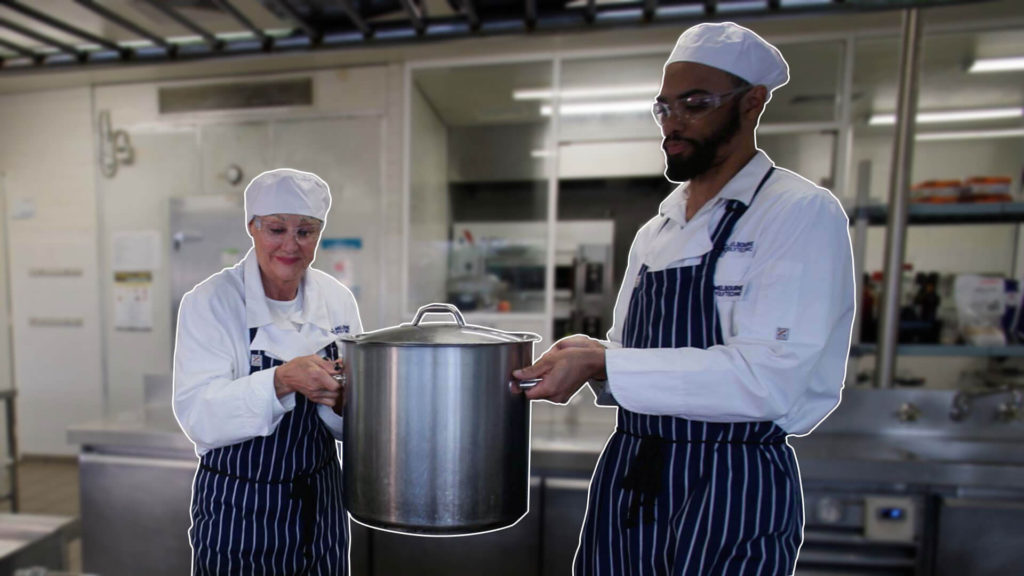
Safety risks in commercial kitchens can be minimised when proper attention is paid to workplace health and safety. The likelihood of accidents and injuries in a kitchen can be greatly reduced by implementing safe work practices and procedures, including hazards training, food handling, hygiene, control measures and working safely with heat.
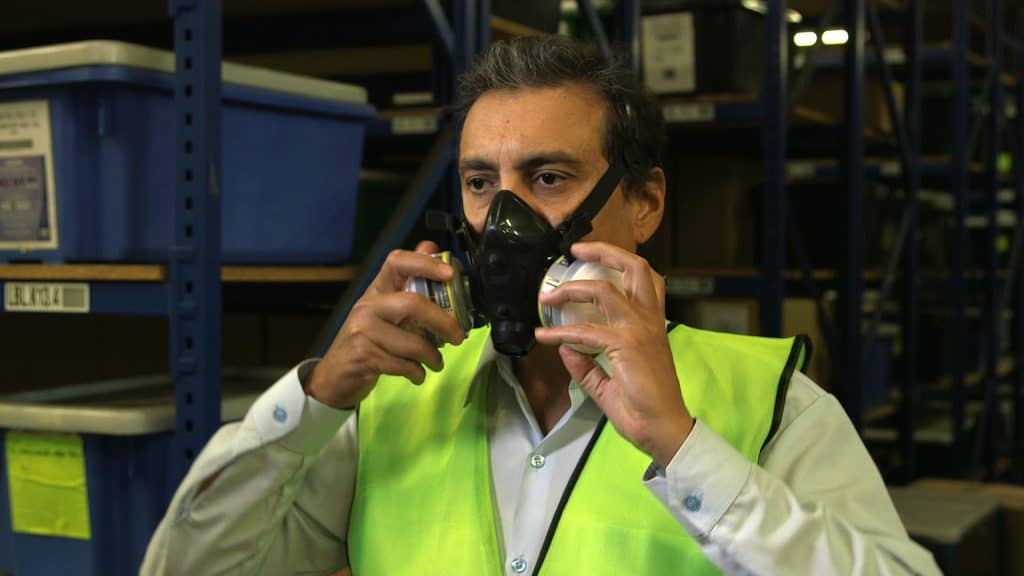
This is a general program suitable for induction or to reinforce the need to wear items of personal protection. This program examines various types of Personal Protective Equipment in detail, including eye, face, head, ears and respiratory protection.
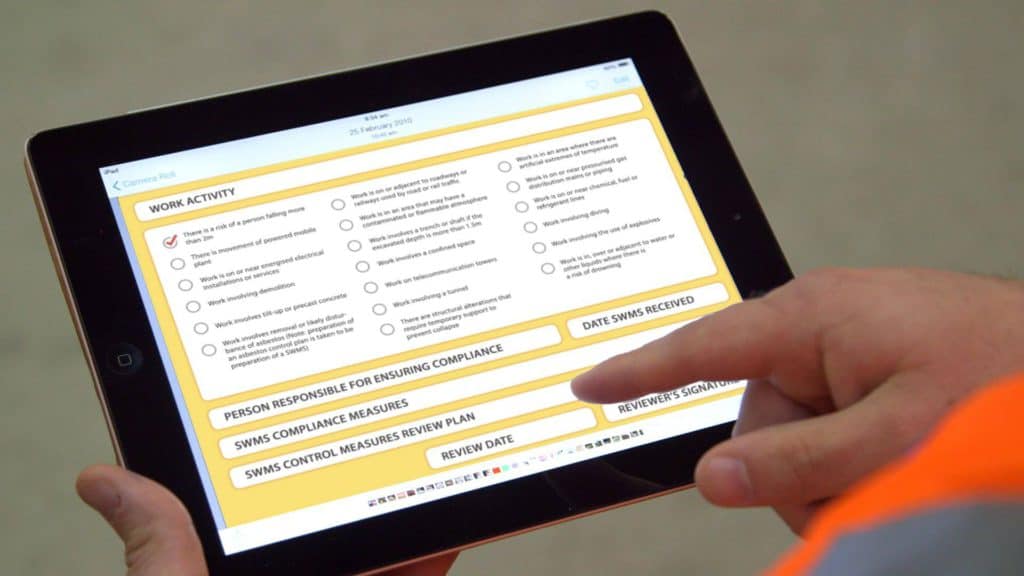
This SWMS training video covers the essentials of Safe Work Method Statements, including legal requirements, creating effective SWMS and managing risks in high-risk construction work (HRCW) to help ensure compliance and improve workplace safety.
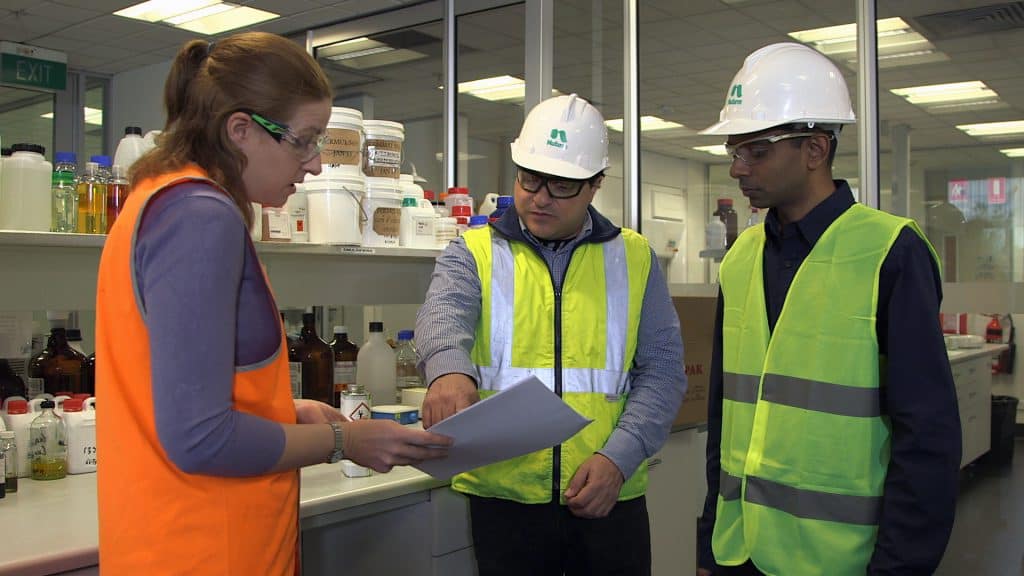
This program helps trainees to properly interpret Safety Data Sheets for the use of hazardous substances. This program covers the layout of SDS, Why SDSs are used and a breakdown on the most important safety related sections found in most SDSs.
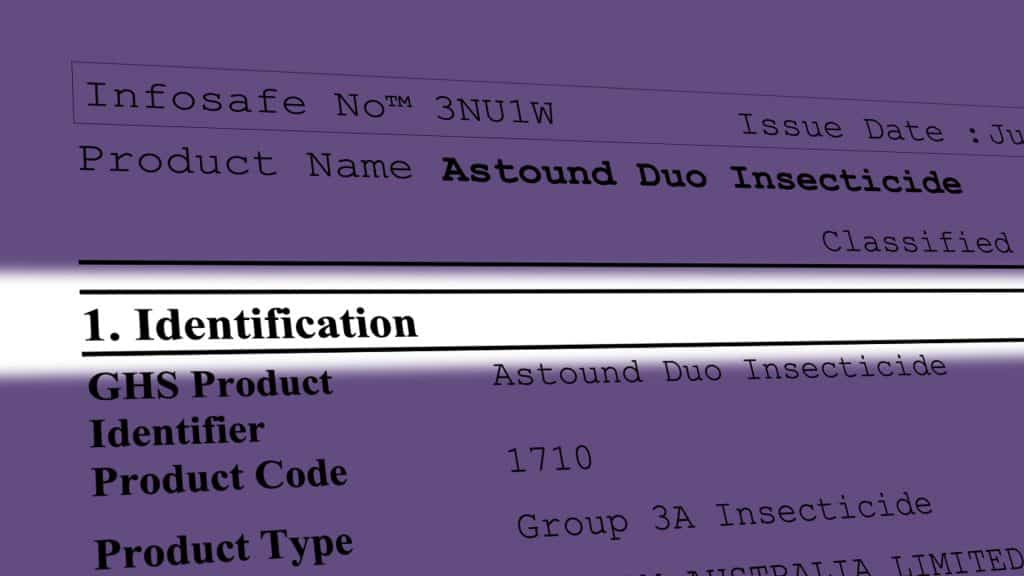
Safety Data Sheets can be very challenging to read and understand but they do contain a wealth of information. Having an ability to properly interpret them will make it easier to arrive at informed decisions regarding the use of hazardous substances.

This program highlights the major hazard areas associated with the use of solvents. The program increases awareness of worker responsibility in observing and being active in daily safety procedures and management of Solvents in the workplace.
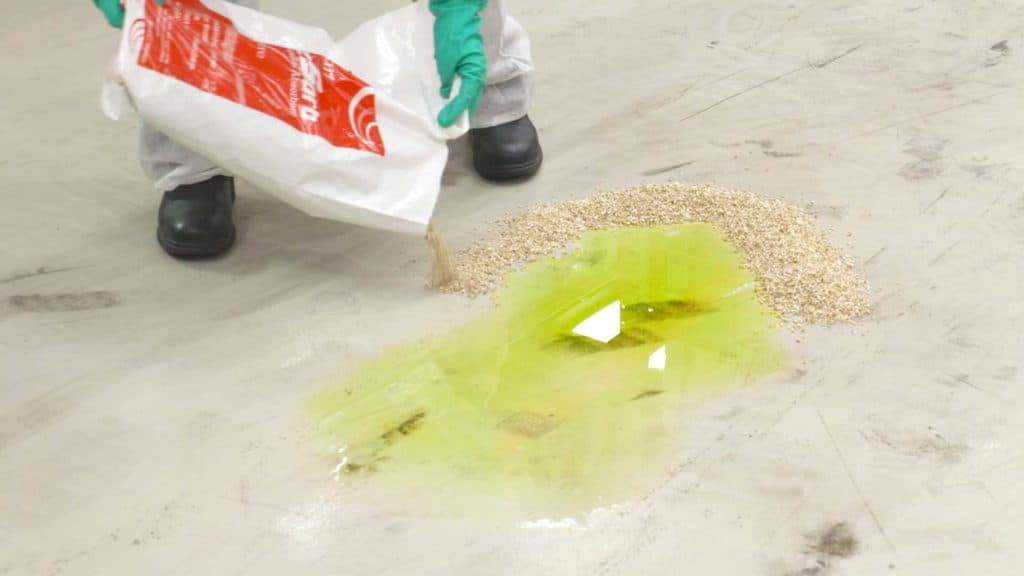
Spills are an ever-present hazard in many workplaces. By having a clear spill prevention plan, the threat spills pose can be reduced to an absolute minimum. This program examines the effects spills can have as well as methods for prevention and clean up.
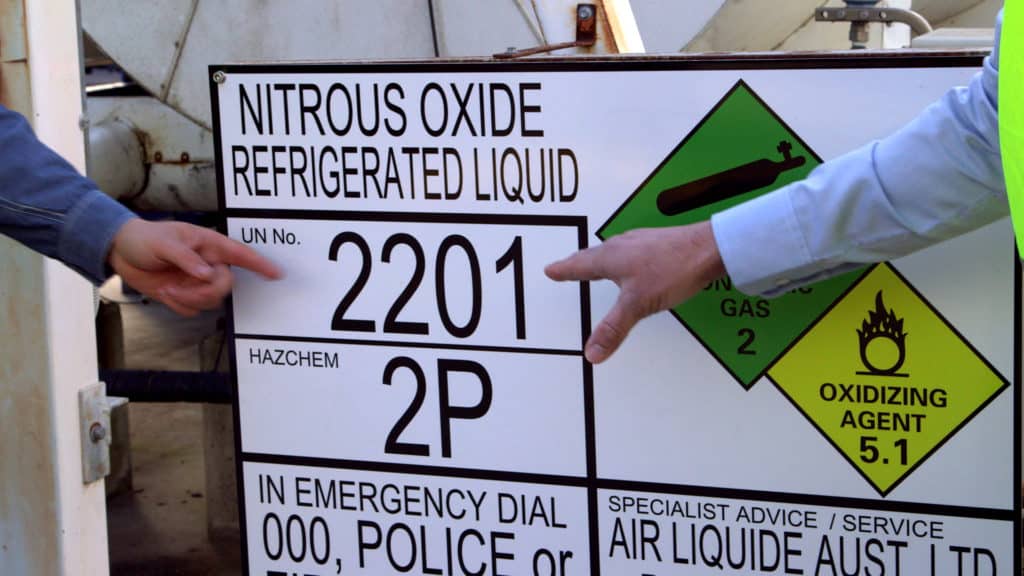
As your workplace makes the transition to the GHS, this program provides an overview of the Globally Harmonised System of Classification and Labelling of Chemicals, including chemicals classification and hazard communication through labels and safety data sheets.
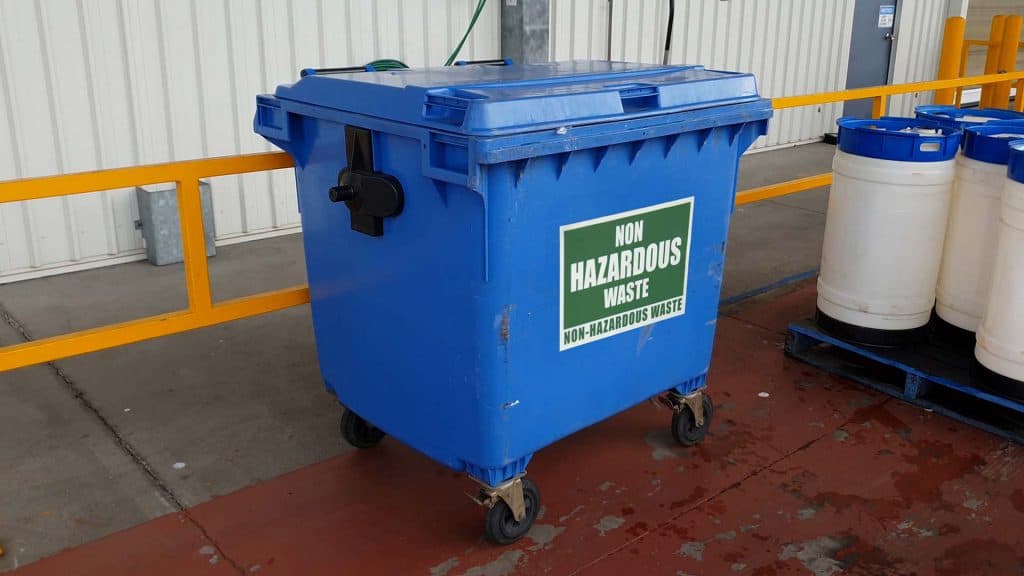
This General Waste Management Safety Program examines methods for classifying various kinds of waste and how best to track and ultimately dispose of them. Topics in the program include waste classification, waste disposal and waste manifests.


