Angle Grinders
Pre-Operational Checks
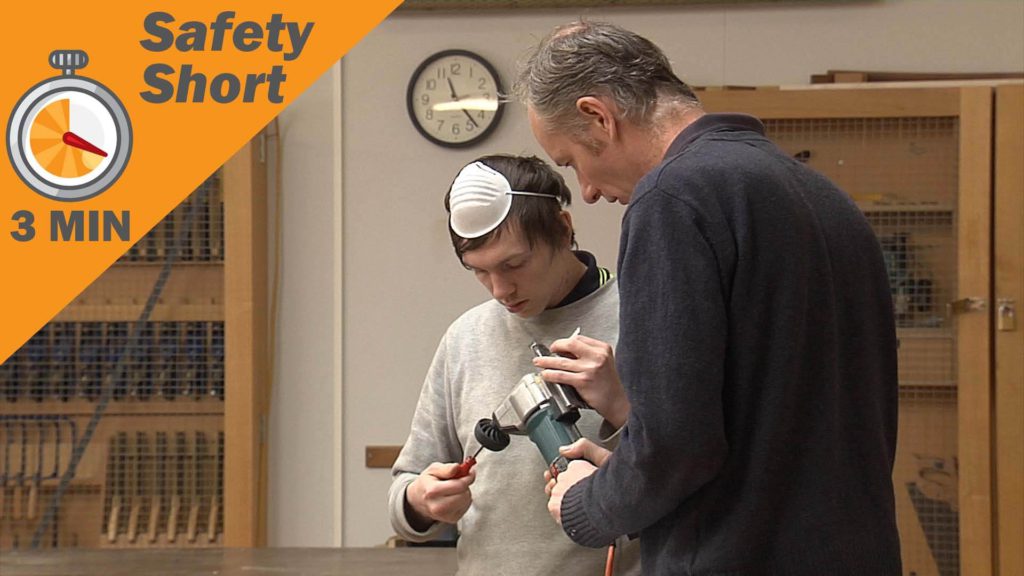
The use of angle grinders can be extremely dangerous, posing a risk not only to the operator but to others in the work area. This safety short gives you some checks that should be performed before operating an angle grinder.
An awareness of a chainsaw’s condition is vital in the safe and successful operation of the chainsaw. This program will concentrate mainly on the gasoline powered type of chainsaw but essentially the safety and operational considerations are very much the same for the various types.
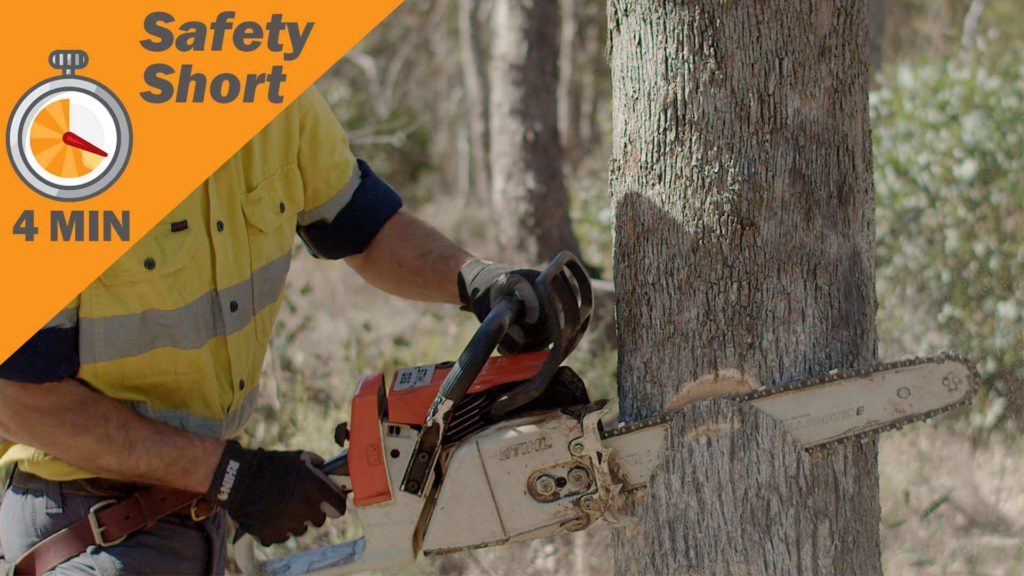
Master essential chainsaw cutting techniques with this focused safety video. In just 5 minutes, learn safe and effective methods for limbing, cross-cutting, ripping, and felling. Emphasizing the importance of proper training and professional handling, this video equips you with the knowledge to avoid hazards and operate your chainsaw safely.
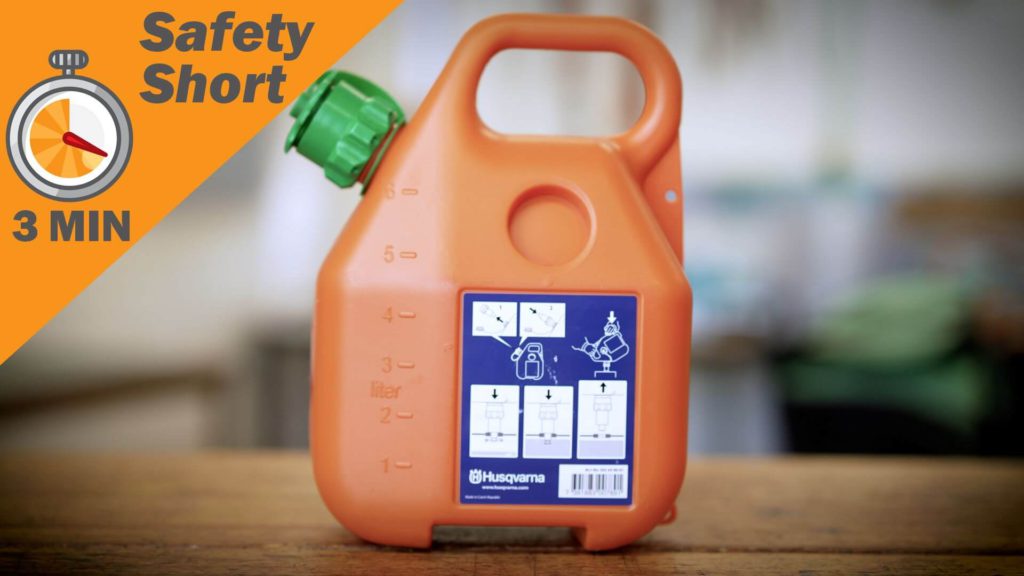
Ensure optimal chainsaw performance and longevity with this quick chainsaw fueling safety video. Learn the importance of using the correct fuel/oil mixture to prevent engine damage. Discover how to safely create and handle fuel in a controlled environment, minimizing contamination risks. Refuel your chainsaw confidently and extend its lifespan with these essential safety tips.
Chainsaws
Holding and Operating
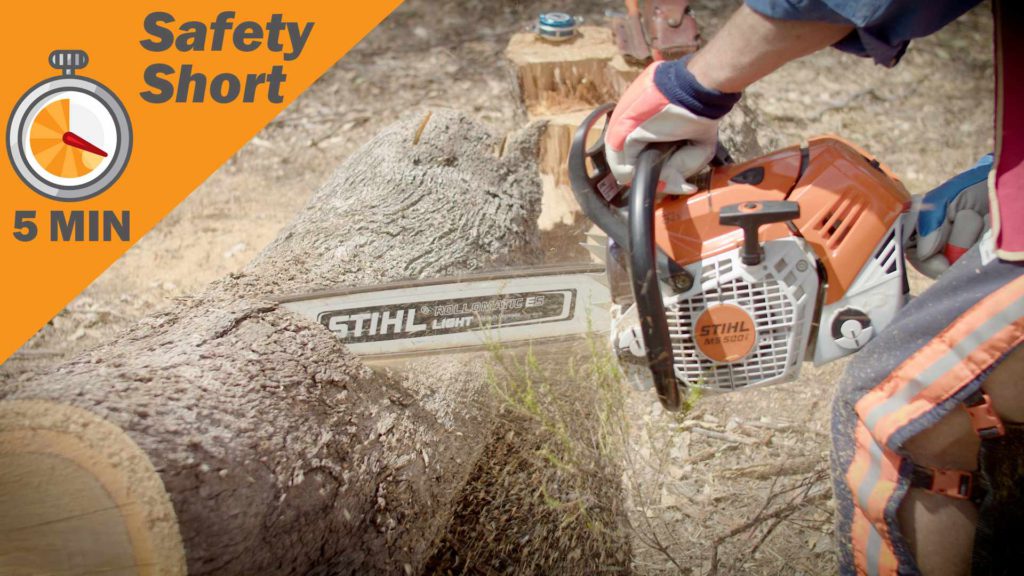
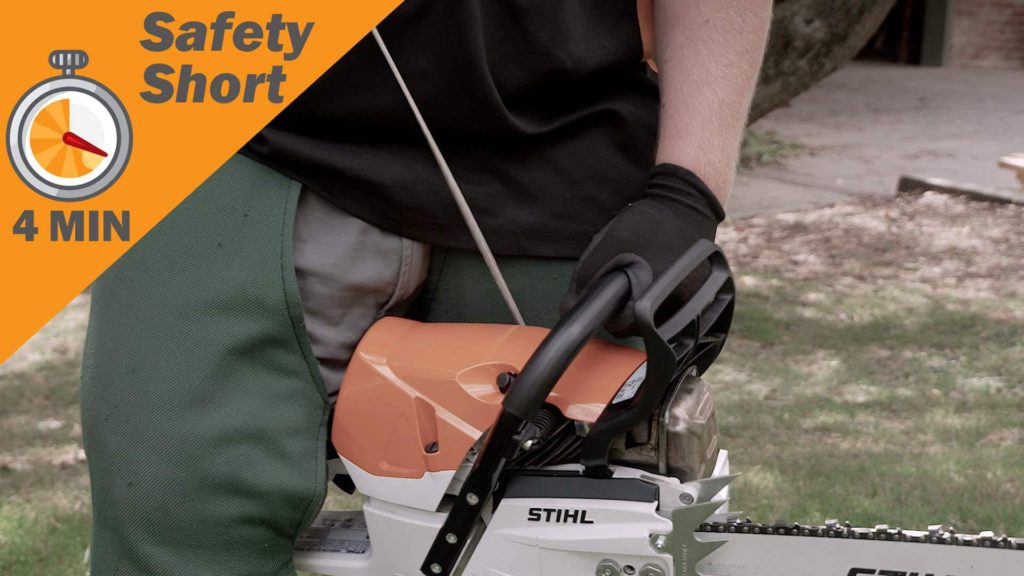
When operating a chainsaw, it is vital that all safety measures relating to the operation of the saw be practiced at all times. Do not use a chainsaw that is back–firing, missing parts or not running properly. It is dangerous and is a potential fire hazard. Having a strong understanding of the safe operation basics is key to completing any chainsaw operation successfully and safely.
Chainsaws
Personal Safety
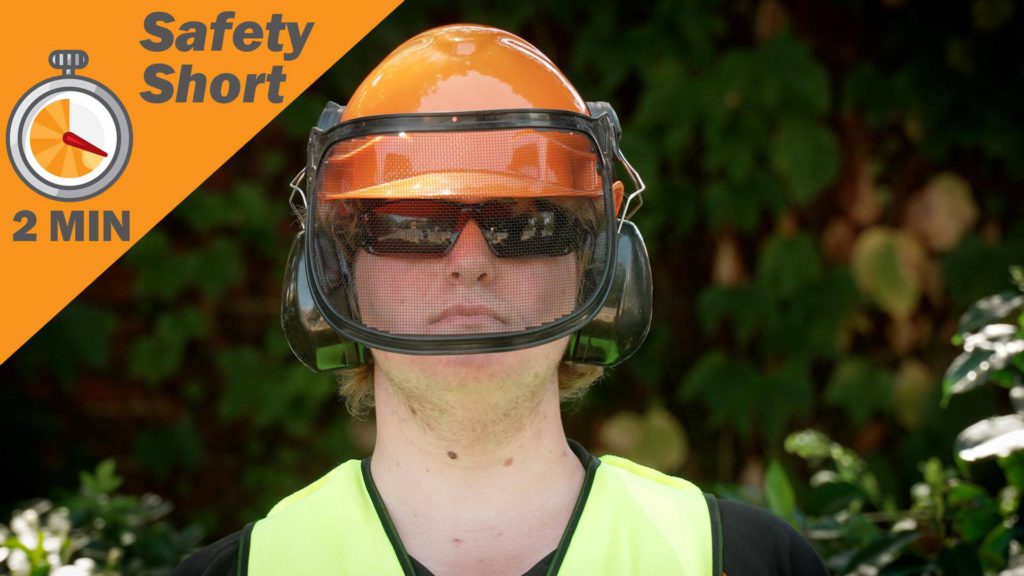
When working with chainsaws, certain safety procedures must be practiced to protect the chainsaw operator and those working in the immediate vicinity from injury. The most common parts of the body which are injured by chainsaw accidents are the hands, knees, feet and head especially on the left side of the body. However with the application of proper work practices, the use of modern equipment, and correct protective clothing, chainsaws can be used efficiently and safely.
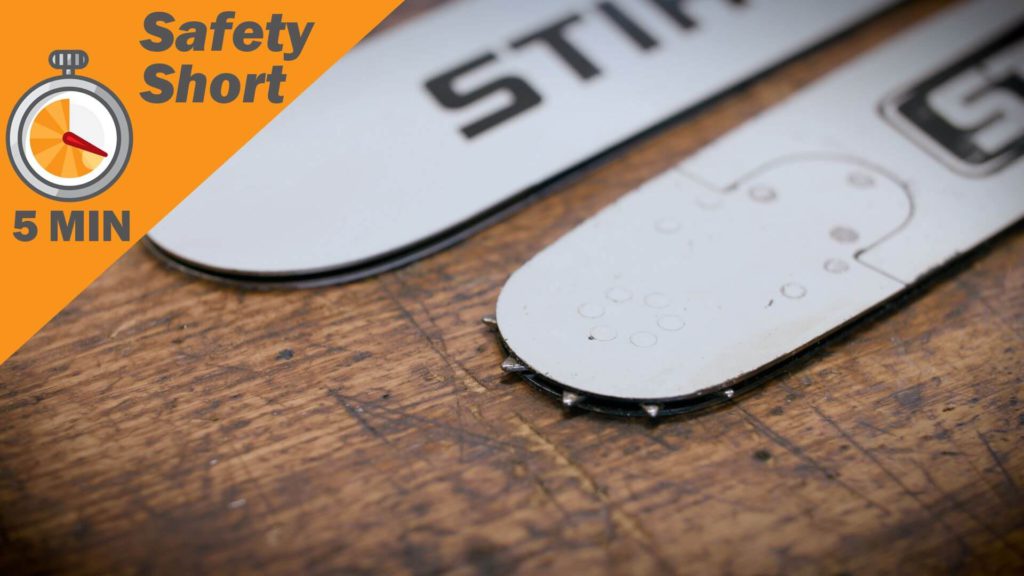
There are a wide range of saw chains to choose from however the major factors that need to be taken into consideration are the type of work to be undertaken, the type of timber to be cut and the Chain Cutter Profile which is best suited to your purpose.
Chainsaws
Starting the Chainsaw
It is always preferable to start the chainsaw on the ground. However, in some situations, it’s not appropriate or practical. There should be no people or animals in the vicinity of the saw as those without sufficient personal protective equipment, for example, safety glasses or hearing protection, will be exposed to significant potential harm.
Circular Saws
Circular Saw Basics
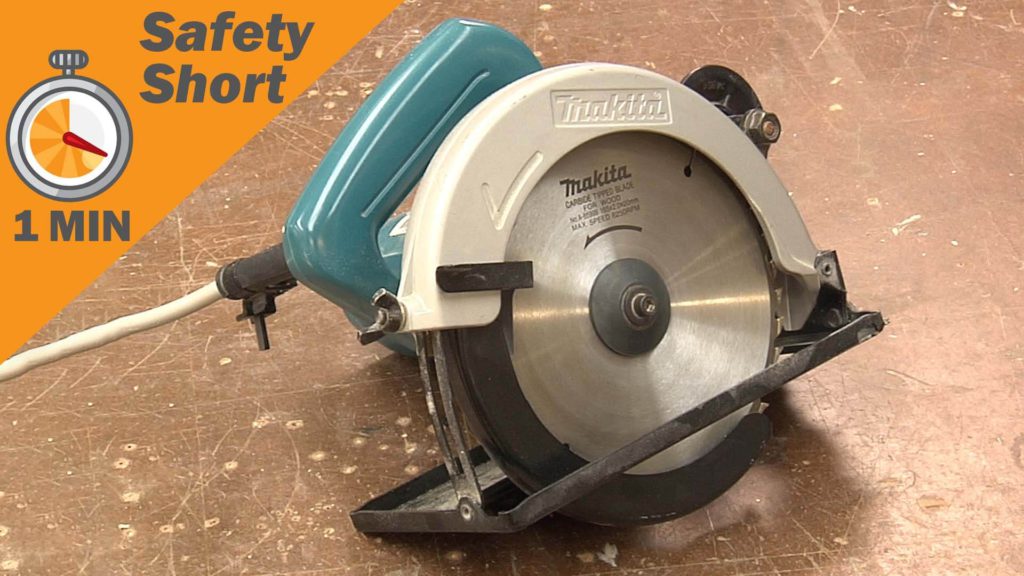
Circular saws are used extensively for a variety of cutting operations. This safety short gives you a quick overview of how to operate a circular saw.
Compressed Air
General Guidelines
Compressed air is not ‘just air’, it is air traveling in an intense stream at a high velocity. Exposure to it can result in severe injuries or even fatality. This safety short gives you a quick overview of the do’s and don’ts when using compressed air.
Confined Spaces
Definition
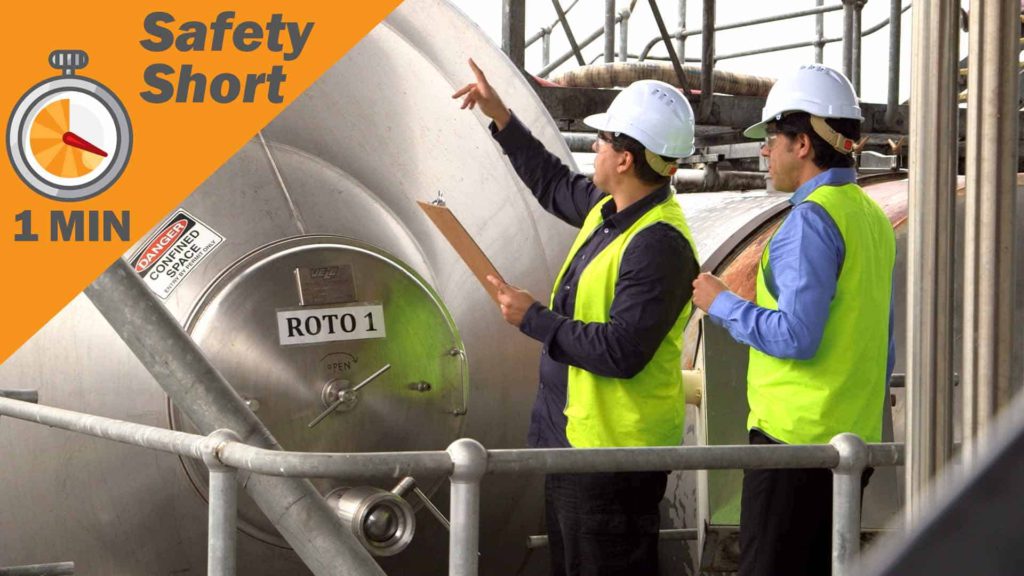
Every year there are serious accidents involving Confined Spaces. This safety short explains how you can define what a Confined Space is.
Confined Spaces
Permit Basics
The only safe approach to working in confined spaces is to diligently follow the instructions that are detailed in a Confined Space Work Permit and to utilize any personal protective equipment that has been identified as necessary. This safety short gives you a quick overview of Confined Space Entry Permits.
Contractor Management
Induction
At the beginning of the job, contractors, along with everyone doing work in the location, should receive a safety induction. This safety short gives you a quick overview of what a safety induction is and what information should be included in it.
Contractor Management
Planning Ahead
Consideration of health and safety issues must begin at the planning stage, before the contractor has started work. This safety short covers some important questions that should be asked when planning work for a contractor and potential hazards a contractor may encounter.
Contractor Management
Task Creep
One of the most important considerations in contract management is so-called “task creep”. This can occur when, after the contractor’s task is assigned, the job requires more work than was originally agreed. This safety short briefly explains what ”task creep” is and why it’s an important consideration.
Coronavirus
Control Measures
As a family, coronaviruses are common across the globe. This safety short outlines some of the control measures that can be taken to prevent their spread.
Coronavirus
How is it spread?
Coronaviruses are a large group of viruses that can cause illnesses ranging from the common cold to more severe diseases. This safety short examines the various ways in which Coronaviruses can be spread
Coronavirus Control
Face Mask Basics
Face Masks are an effective control measure that can be used to control the spread of Coronaviruses. This safety short gives a quick overview of common mask types and how to use them correctly.
A particularly dangerous form of cybersecurity risk is that of insider threats. These are cyber threats that originate from within the organization which makes them especially difficult to detect and deal with. Because an insider threat does not need to go through the process of gaining access to the system – as they’re already inside – they are often capable of going undetected for longer, and doing more damage, than external threats.
Malware is software created and deployed to compromise or disrupt computer systems. The consequences of a system becoming infected with malware can be devastating, including the breakdown of normal operations, the accessing of sensitive information by criminal actors, disruption to business and financial loss. Any professional computer system should have malware protection set up, but there are also ways in which an individual can identify the possibility of malware, allowing them to take steps to prevent damage.
Protect your organization! This 3-minute Cybersecurity Awareness safety short on Phishing teaches employees to identify and avoid phishing scams. Spot generic greetings, fake invoices and suspicious links. It will help empower your team to safeguard your valuable business information.
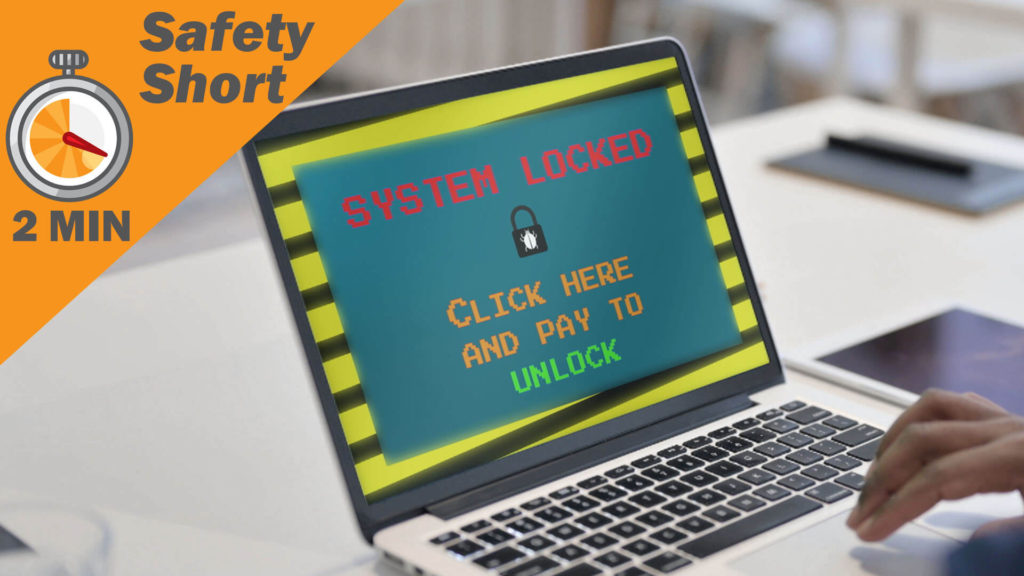
One specific and very damaging type of malware is ransomware. This is software that infiltrates a system and stops it working, by locking or encrypting files to prevent access to them. The user of the ransomware will then demand a payment to unlock the system.
Digital Hygiene
Information Security
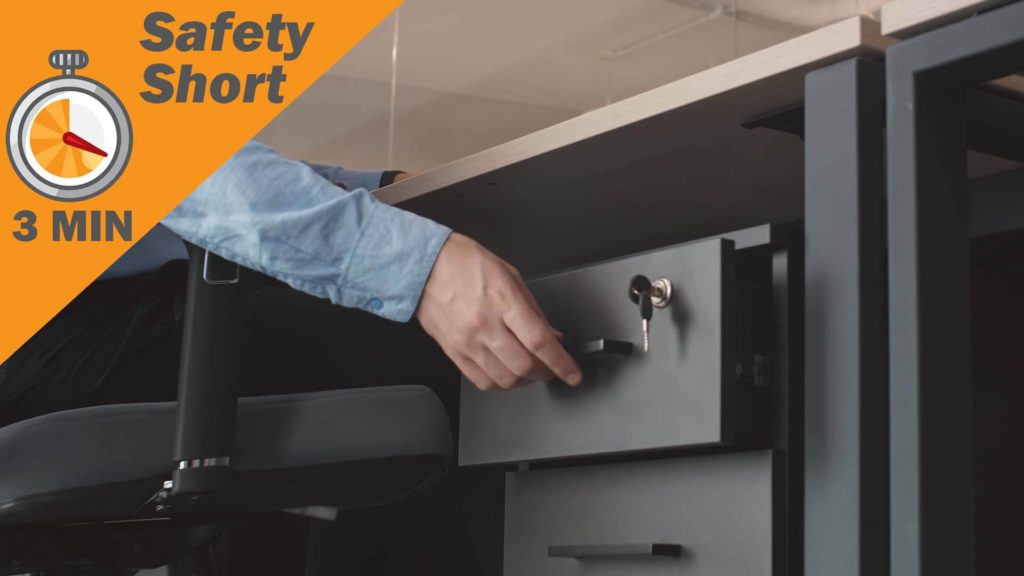
This safety video short course outlines a 'clean-desk' policy, urging users to sign out of computers and secure sensitive data physically. It stresses regular file backups to prevent data loss, and advocates for strong, unique passwords with two-factor authentication to enhance security against cyber threats.
Digital Hygiene
Safe Internet Use
This safety video short course focuses on safe internet browsing to protect devices. It advises caution on work or public networks, avoiding downloads from suspicious sites, checking for “https” in URLs, using security extensions or VPNs, and being mindful of social media risks, especially on public Wi-Fi.
Digital Hygiene
Software Safety
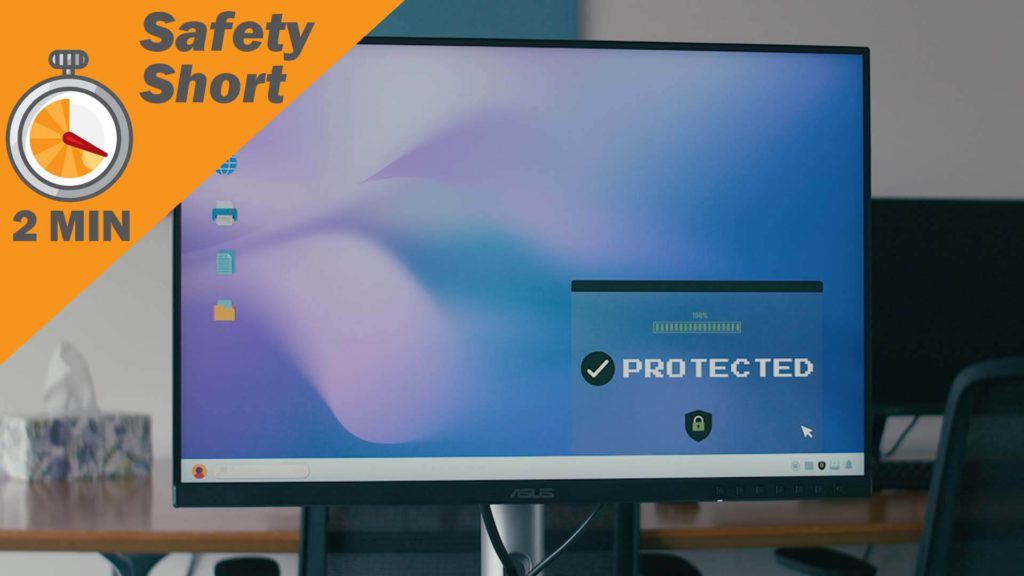
This safety video short course emphasizes the importance of maintaining updated software and devices to protect against security threats. It advises deleting unused programs, notifying IT about irrelevant software, installing updates promptly, and using strong, up-to-date antivirus software that scans continuously. This protects both individual devices and the entire network.
Digital Hygiene
The Role of Your I.T. Department
This video emphasizes IT's role in digital hygiene. It covers clean desk policies, including password security and secure document storage. Regular file backups, strong unique passwords, and two-factor authentication are crucial for protecting data and systems from loss and cyber threats.
Diversity and Inclusion
Definition
When discussing Diversity and Inclusion it is important to understand the distinction between the two words and the practical benefits of each in the workplace. Diversity is a term that encompasses the wide range of human differences that need to be considered in order for an inclusive work environment to be achieved. Inclusion often refers to how incorporated and considered an individual is by the organization.
Diversity and Inclusion
Strategies
There are many key ways an organization can create a more inclusive workplace to harness the benefits and avoid the hazards. Some of the most effect methods are: Leadership commitments, Equitable hiring practices, Training and education, Building an inclusive culture, Ensuring fair decision-making, and Revisiting and revising regularly.
Diversity and Inclusion
Hazards
Without appropriate workplace practices around diversity and inclusion, many hazards and negative outcomes can emerge and put both organizations and individuals at risk. Some of the key hazards are: Legal liabilities, Reduced employee wellbeing and effectiveness, The risk of reduced adaptability, and Missing out on talented employees.
Electrical Power Tools
Safety Fundamentals
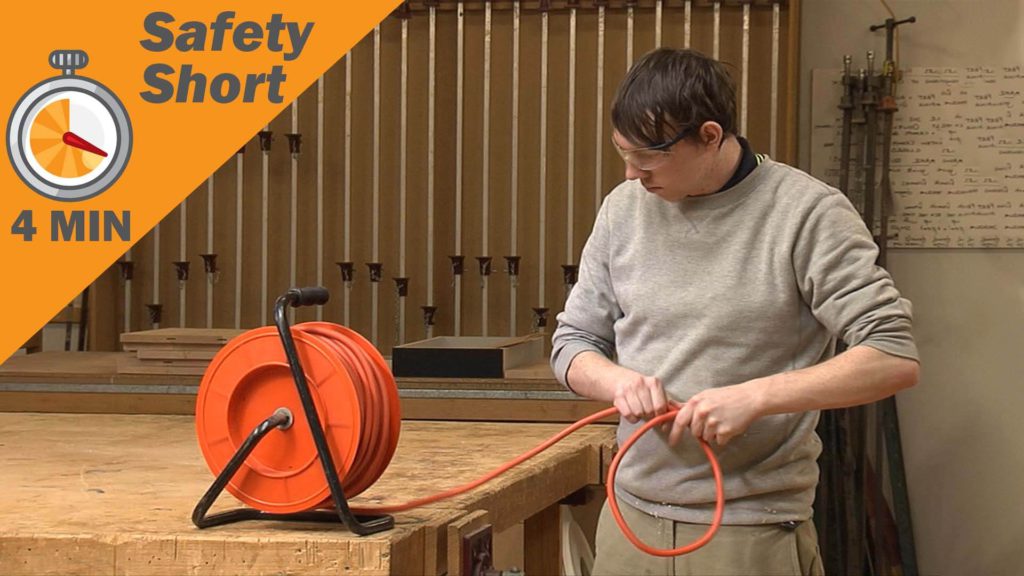
The only way to get the best out of your power tools is to make sure you know how to use them effectively and safely. This safety short gives you some safety essentials that should be considered when operating a power tool.
Electrical Safety
Basic Facts
It's important to have a basic understanding of how electricity behaves if you intend to work with it. This safety short gives you some facts to consider when working with electricity.
Electrical Safety
Basic Rules
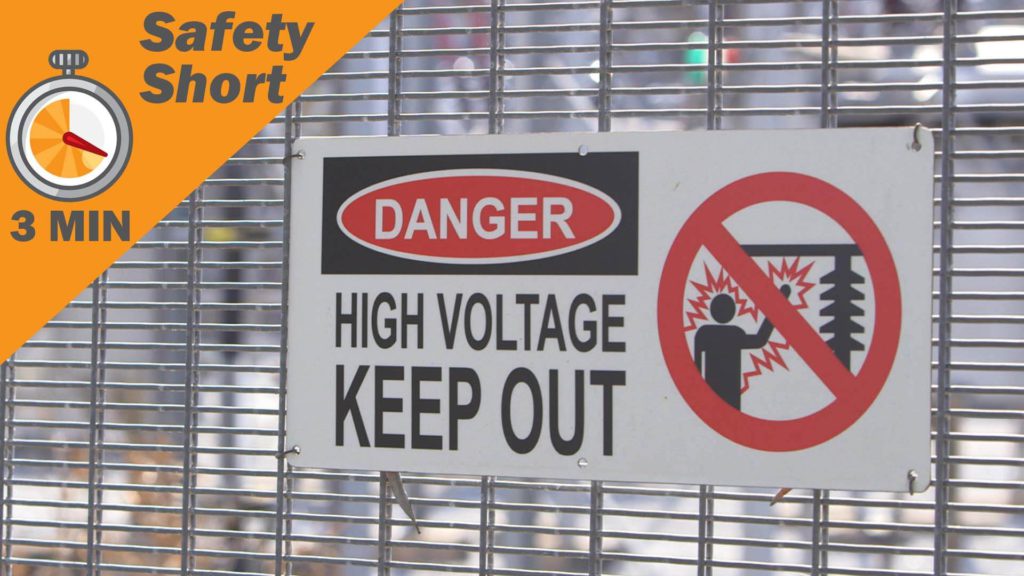
In addition to the potential for injury and death, electrical accidents in the workplace can result in a wide variety of outcomes including damage to equipment, fires and explosions. This safety short outlines the important rules to consider when working with electricity.
Electrical Safety
Do's and Don'ts
Most electrical accidents occur as a result of existing control measures being either ignored or violated. This safety short gives you a quick overview of some do’s and don’ts when working with electricity.
The use of Elevating Work Platforms (EWPs), also referred to as Mobile Elevating Work Platforms (MEWPs) has been a major factor in the reduction of falls and accidents in the workplace. This safety short gives you a quick overview of the general guidelines when operating an EWP.
The use of Elevating Work Platforms (EWPs), also referred to as Mobile Elevating Work Platforms (MEWPs) has been a major factor in the reduction of falls and accidents in the workplace. This safety short gives you a quick overview of checks that should be performed before operating an EWP.
Health and Wellbeing
Causes Of Fatigue
Fatigue is an acute and/or chronic state of tiredness that can lead to mental and/or physical exhaustion. Fatigue prevents people from functioning within normal boundaries. This safety short covers some of the potential causes of fatigue.
Fire Awareness
How to use Fire Blankets
Fire blankets are an important tool when fighting the spread of a fire. This safety short gives you a quick overview of how to correctly use a fire blanket.
Fire Extinguishers
Basic Operation
Unless you are familiar with how to use different types of fire extinguishers and are able to select the appropriate extinguisher to use you will not be able to safely or confidently extinguish a fire using a portable fire extinguisher. This safety short gives you a quick overview of how to operate a fire extinguisher.
Fire Awareness
Fire Prevention Measures
Fire can be the source of extreme destruction, serious injuries and many fatalities. This safety short outlines some of the prevention measures that can be taken to avoid fires.
The main problem associated with burns is skin damage and the effect this damage has on the well-being of the victim. This safety short gives you a quick overview of how to treat different kinds of burns.
First Aid and Welfare
How to Clean up Blood and Body Fluid Spills
Bloodborne Pathogens can cause serious diseases (such as Hepatitis B, Hepatitis C and HIV) but following procedures that have been laid down will go a long way to protect you from infection. This safety short covers techniques for quickly and safely cleaning up blood and body fluid spills.
First Aid and Welfare
How to Use an Automated External Defibrillator (AED)
A large number of emergencies that require CPR occur as a result of sudden cardiac arrest, which usually leaves the heart fibrillating, or quivering. An Automated External Defibrillator, or AED is designed to deliver an electric shock to the casualty in an attempt to stop heart fibrillation and restore normal heart rhythm. This safety short gives you a quick overview of how to use an AED.
First Aid and Welfare
How to treat Major Wounds
Some bleeding incidents are very serious and require urgent action. Serious bleeding that is not stopped quickly is life threatening. This safety short covers techniques for treating someone who has sustained a major wound.
First Aid and Welfare
Causes of Stress
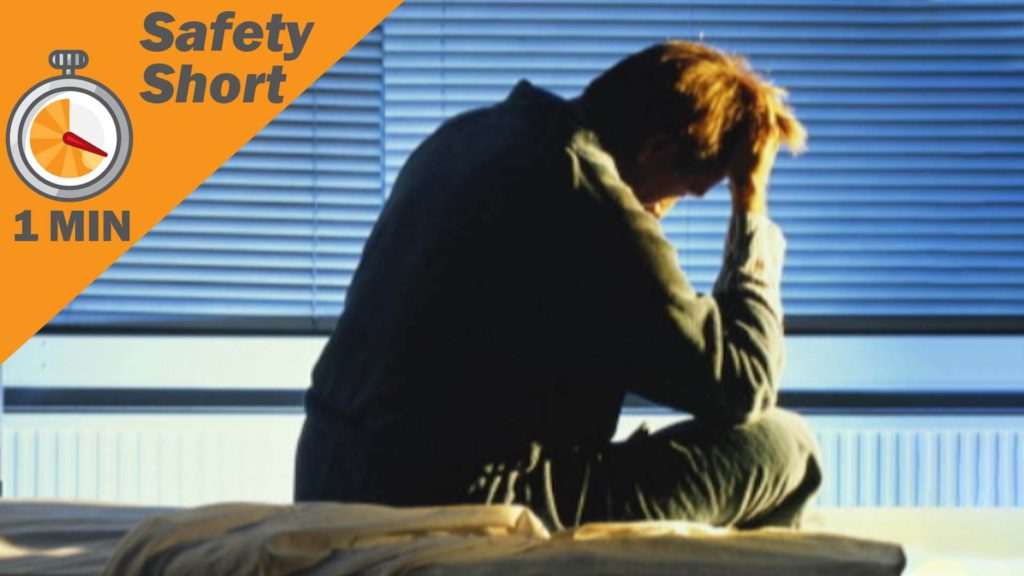
Some workplace hazards are obvious but work can also carry risks to mental health which are less apparent. This safety short covers some of the potential causes of Work-related stress.
Forklifts
Pre-Operational Checks
A loaded forklift can weigh many tonnes, and do a lot of damage in the event of an accident. In addition, they are frequently less stable than many other vehicles. This safety short gives you a quick overview of checks that should be performed before operating a forklift.
Gas Cylinders
General Guidelines
Gas cylinders supply a wide variety of gases for a multitude of different industrial, medical and domestic purposes. This safety short gives you some general guidelines to apply when handling gas cylinders.
Gas Cylinders
Pre-use Checks
Gas cylinders supply a wide variety of gases for a multitude of different industrial, medical and domestic purposes. This safety short gives you some checks to perform before using gas cylinders.
Every combination of class and category classification under the GHS, requires a unique combination of label elements, including: Pictograms, Signal Words, and Hazard Statements. This safety short gives you a quick overview of these elements.
Effective hand washing technique is crucial in helping avoid infectious diseases and maintaining good health. This safety short gives you a quick overview of how to thoroughly clean your hands.
Hazardous Atmospheres
Hazardous Atmospheres Explained
A lack of understanding of how hazardous atmospheres are created can lead to disastrous results. This safety short gives you a summation of the different kinds of hazardous atmospheres.
Hazardous Environments
Where Asbestos can be Found
Asbestos was once a widely used material, unfortunately what all forms of asbestos have in common is, they contain thin fibers which pose a threat to humans. This safety short gives you a guide to identifying areas and items that may contain asbestos.
Cleaning up spills as soon as they occur is key to minimising workplace accidents. This safety short gives you a quick overview about control measures that can be undertaken to reduce accidents in a food preparation environment.
The most common causes of injury when preparing food are slips, trips and falls; incorrect manual handling procedures; burns, and exposure to harmful substances. Other concerns include cutting tasks as well as exposure to heat and noise. This safety short gives you a quick overview of what safety hazards to look out for in a food preparation environment.
Hygiene is a major concern wherever food preparation is being undertaken. If contaminated food is ingested, it can lead to serious illness, allergic reactions and in extreme cases, even death. This safety short gives you a quick overview about the major hygiene hazards to look out for in a food preparation environment.
Anyone who handles food, must maintain a high level of safe handling practices to control the spread of harmful organisms or allergens. Cleanliness is key. Always ensure your clothes, hands and face are thoroughly clean before beginning a new task. Coughing, sneezing or touching your face and hair prior to handling food can lead to cross contamination. This safety short gives you a quick overview of how to maintain a clean workspace within a food preparation environment.
Raw food must never come into contact with cooked or ready-to-eat food. When being stored, raw food should always be covered and stored lower than cooked foods, to help prevent cross-contamination. Allergenic food should also be stored separately. This safety short gives you a quick overview of how to safely store perishable items within a food preparation environment.
Sources of extreme heat are often present in food preparation environments which makes attention to safety of the utmost importance. This safety short gives you a quick overview of how to work safely with heat within a food preparation environment.
Manual Handling
Important Questions
Manual handling contributes directly to a significant percentage of work-related accidents and injuries. This safety short covers some important questions to consider before manual handling takes place.
Manual Handling
Lifting Technique Basics
For children, correct lifting and carrying comes naturally. It’s only as we get older and become lazy that we begin to adopt unnatural and potentially injurious lifting and carrying techniques. This safety short gives you a quick guide on how to lift and carry objects correctly.
First Aid and Welfare
Mental Health
Mental health, while an important factor in workplace health, is often overlooked. This safety short covers some concepts and techniques that can promote good mental health in the workplace.
Office Safety
Workstation Setup Basics
Ergonomics is just one element that needs to be addressed in Workstation setup. This safety short outlines the important factors to consider when setting up a Workstation.
Step Ladders
General Guidelines
Falls from any height, including when using a step ladder, can result in serious injury, but many falls can be avoided if safety procedures are followed. This safety short gives you some general guidelines for safely using a step ladder.
Trenching and Excavation
Control Measures
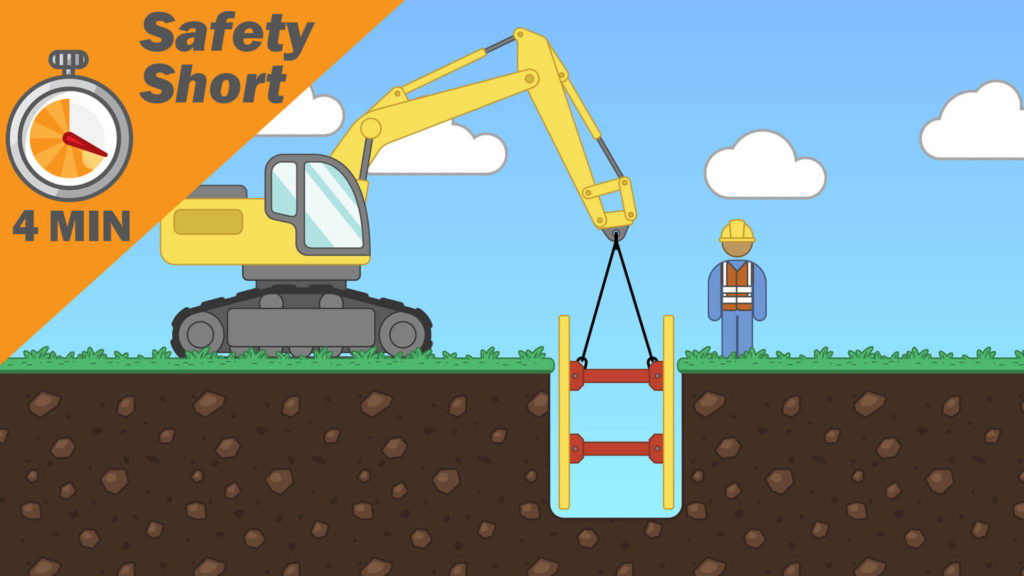
Trenching and Excavation - Control Measures is a 4-minute short training video detailing control measures for excavation and trenching hazards. It covers three methods to mitigate ground collapse risks: trench shields, benching or sloping, and ground support. Entry into excavations is prohibited until proper support is installed.
Trenching and Excavation
Hazard Identification
Trenching and Excavation - Hazard Identification is a 4-minute training video emphasizing the importance of hazard identification prior to implementing control measures. It highlights the need to detect essential services at excavation sites, including underground gas, water, sewerage and electricity lines, as well as overhead power lines.
Trenching and Excavation
Hazards to Avoid
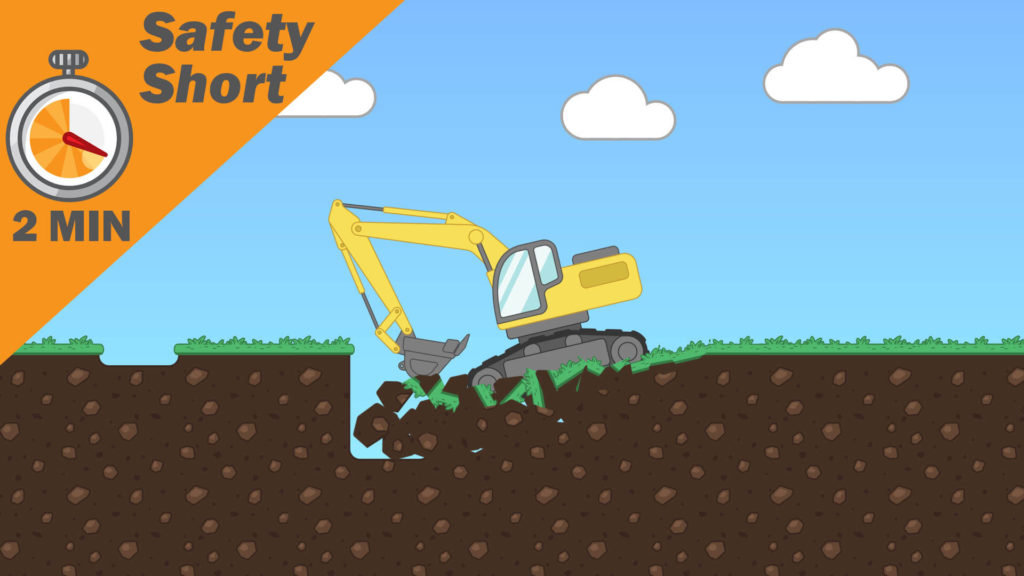
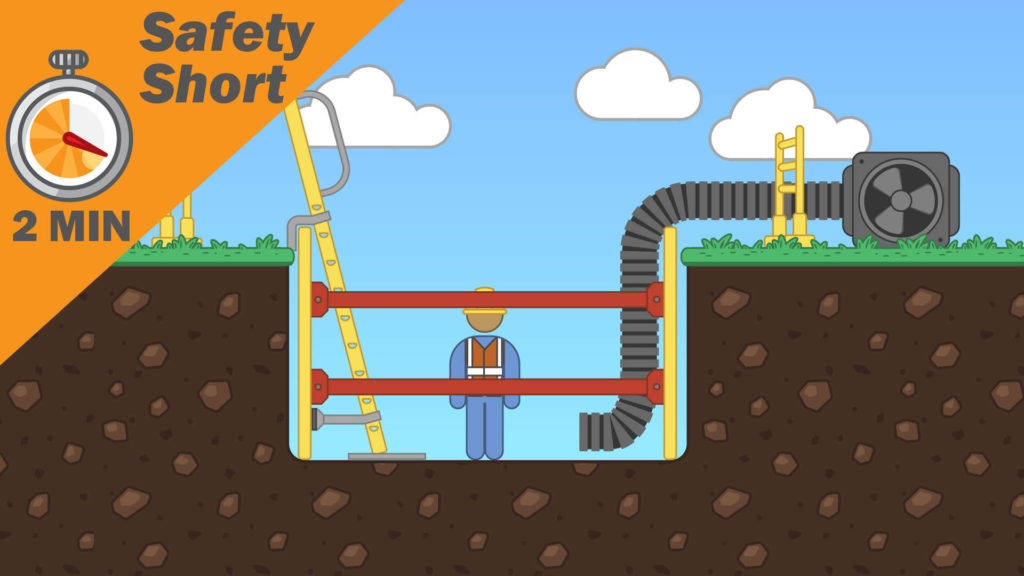
There are a number of things that should never be done while working on an excavation or trench. By making sure everyone in the workplace is fully aware of all the potential hazards, remains aware throughout the work, and is vigilant about putting control measures in place, the risks of trenching and excavation can be minimized and injuries and accidents prevented.
Trenching and Excavation
Important Considerations
An important consideration in excavation work is access to the excavation. It is imperative that there is a safe way of getting in and out of the trench. An inspection of the site must be carried out before excavation work has begun and at the start of every shift of work, so that it can be assured that all hazards have been identified and controlled. There should also be an inspection carried out whenever anything happens that could change the conditions or stability of the site.
Manual Handling
What is correct Lifting and Carrying Technique?
Accidents and injuries resulting from incorrect manual handling techniques comprise the largest group of occupational hazards that result in lost time. This safety short gives you a quick overview of correct lifting and carrying technique.
Work-Related Stress
Definition
Work-related stress is not always the easiest of workplace hazards to identify. This safety short explains how you can define what Work-related stress is.
Work-Related Stress
Prevention
Being aware of the potential risks, and moving pro-actively to prevent stress taking hold, will help minimise the chances of stress-related illness. This safety short outlines some of the prevention measures that can be taken to reduce work-related stress.